

In the ever-evolving landscape of digital marketing, email campaigns remain a cornerstone for engaging audiences and driving conversions. As we navigate this dynamic environment, we recognize the importance of having a well-structured email campaign template. These templates serve as blueprints that guide us in crafting effective messages that resonate with our target audience. By utilizing email campaign templates, we can streamline our efforts, ensuring consistency in branding while also allowing for creativity in our messaging.
Email campaign templates not only save us time but also enhance our ability to communicate effectively. They provide a framework that helps us organize our thoughts and ideas, ensuring that we cover all necessary elements in our communications. With a solid template in place, we can focus on the content and strategy rather than getting bogged down in formatting details. This approach allows us to maintain a professional appearance while also being agile enough to adapt to the specific needs of each campaign.
Key Takeaways
- Email campaign templates are pre-designed layouts for creating and sending marketing emails.
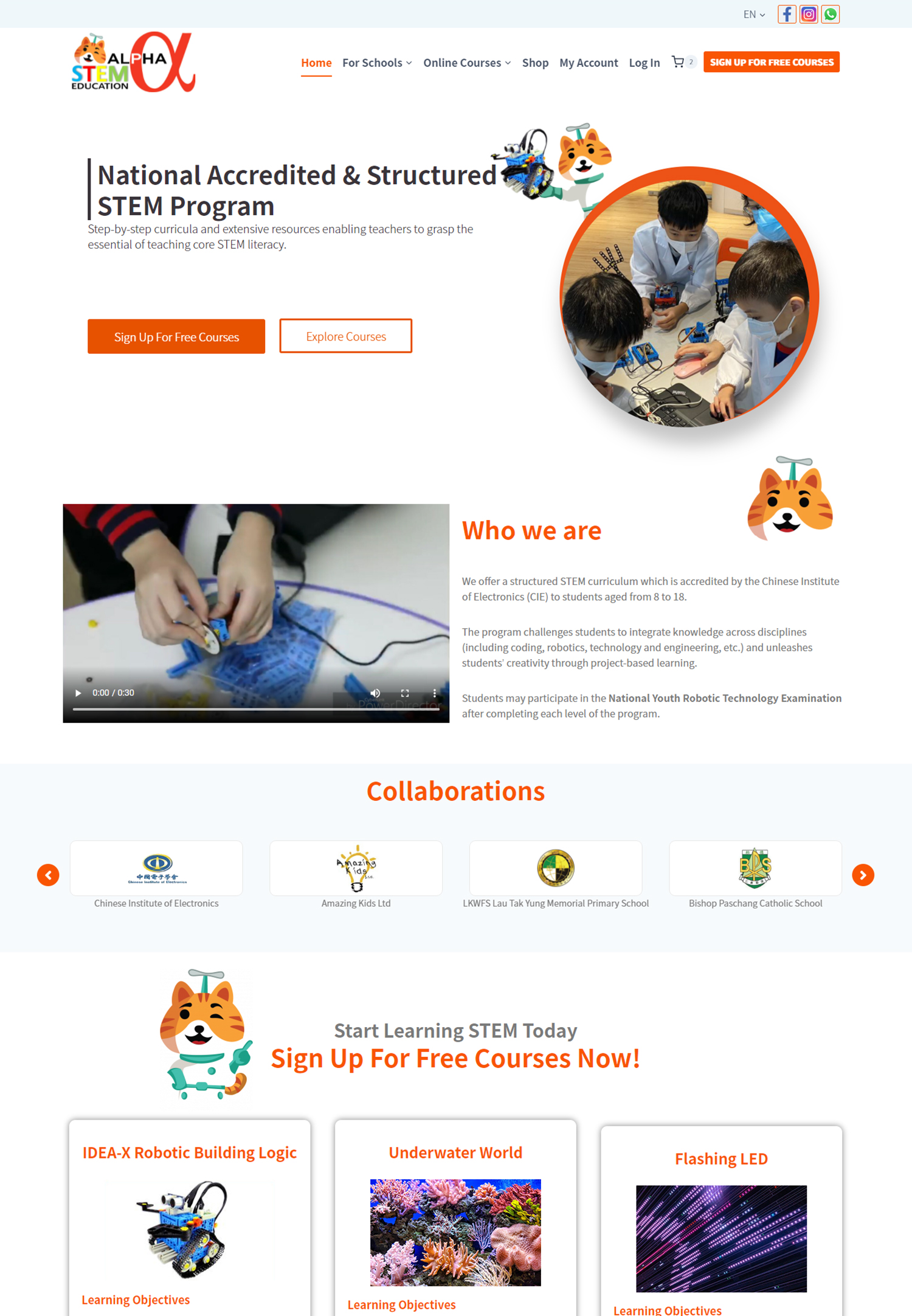
- The goal of course signups is to attract and convert potential students into enrolling in a specific course or program.
- Attention-grabbing subject lines are crucial for increasing email open rates and capturing the recipient’s interest.
- Compelling content and calls to action are essential for motivating recipients to take the desired action, such as signing up for a course.
- Visuals and multimedia, such as images, videos, and infographics, can enhance the appeal and effectiveness of email campaigns.
Understanding the Goal of Course Signups
When we embark on an email campaign aimed at increasing course signups, it is crucial to have a clear understanding of our goals. Our primary objective is to convert interested individuals into enrolled students, but this process involves several layers of engagement. We must first capture the attention of potential learners, then nurture their interest, and finally guide them toward making a commitment. Each step requires a tailored approach that aligns with the motivations and needs of our audience.
To effectively drive course signups, we need to identify what motivates our target audience. Are they seeking to enhance their skills for career advancement, or are they pursuing personal development? By understanding these motivations, we can craft messages that speak directly to their desires and aspirations. This insight allows us to create compelling narratives that not only inform but also inspire action. Ultimately, our goal is to create a seamless journey from initial interest to final enrollment, ensuring that every touchpoint reinforces the value of our courses.
Designing Attention-Grabbing Subject Lines

The subject line is often the first impression we make on our audience, and it plays a pivotal role in determining whether our emails are opened or ignored. To capture attention in a crowded inbox, we must be strategic in our approach to crafting subject lines. A well-designed subject line should be concise yet intriguing, offering a glimpse of what lies within the email while sparking curiosity.
We can experiment with various techniques to enhance the effectiveness of our subject lines. For instance, incorporating numbers or questions can create a sense of urgency or intrigue. Phrases like “Unlock Your Potential” or “Join Thousands of Successful Learners” can evoke curiosity and encourage recipients to open the email. Additionally, we should consider A/B testing different subject lines to determine which resonates best with our audience. By analyzing open rates and engagement metrics, we can refine our approach and continually improve our email campaigns.
Crafting Compelling Content and Calls to Action

Once we have successfully captured our audience’s attention with an engaging subject line, the next step is to deliver compelling content that keeps them interested. Our email should provide valuable information about the courses we offer, highlighting key benefits and unique selling points. We must ensure that our content is not only informative but also engaging, using storytelling techniques to connect with readers on an emotional level.
In addition to informative content, we must include clear and persuasive calls to action (CTAs) that guide recipients toward taking the next step. Whether it’s signing up for a course, downloading a brochure, or scheduling a consultation, our CTAs should be prominent and easy to follow. Phrases like “Enroll Now” or “Start Your Journey Today” create a sense of urgency and encourage immediate action. By strategically placing CTAs throughout the email, we can increase the likelihood of conversions and drive course signups effectively.
Utilizing Visuals and Multimedia
| Template Name | Open Rate | Click-through Rate | Conversion Rate |
|---|---|---|---|
| Template 1 | 25% | 10% | 5% |
| Template 2 | 30% | 12% | 6% |
| Template 3 | 28% | 11% | 5.5% |
Incorporating visuals and multimedia elements into our email campaigns can significantly enhance engagement and retention. Humans are inherently visual creatures; therefore, using images, infographics, or videos can help convey our message more effectively than text alone. A well-placed image of a classroom setting or a video testimonial from a successful student can evoke emotions and create a connection with potential learners.
Moreover, visuals can break up large blocks of text, making our emails more digestible and appealing. We should aim for a balanced approach, ensuring that visuals complement our content rather than overwhelm it. By using high-quality images and maintaining brand consistency in our design choices, we can create visually appealing emails that capture attention and encourage recipients to explore further.
Personalizing Emails for Targeted Audiences
Personalization is key in today’s marketing landscape, where consumers expect tailored experiences. By segmenting our audience based on demographics, interests, or past interactions, we can create personalized emails that resonate more deeply with recipients. Addressing individuals by their names and referencing their specific interests or previous course inquiries can make our communications feel more relevant and engaging.
We can also leverage data analytics to understand our audience better and tailor our messaging accordingly. For instance, if we know that a segment of our audience is particularly interested in online courses related to digital marketing, we can craft emails that highlight those specific offerings. This targeted approach not only increases engagement but also fosters a sense of connection between us and our audience, ultimately leading to higher conversion rates.
Testing and Analyzing Email Campaign Performance
To ensure the success of our email campaigns, it is essential to implement a robust testing and analysis strategy. By monitoring key performance indicators (KPIs) such as open rates, click-through rates, and conversion rates, we can gain valuable insights into what works and what doesn’t. A/B testing different elements of our emails—such as subject lines, content formats, or CTAs—allows us to identify the most effective strategies for engaging our audience.
Analyzing the data collected from our campaigns enables us to make informed decisions moving forward. We should regularly review performance metrics and adjust our strategies based on what resonates best with our audience. This iterative process not only enhances the effectiveness of our current campaigns but also informs future initiatives, allowing us to continually refine our approach and achieve better results over time.
Implementing Successful Email Campaign Templates
In conclusion, implementing successful email campaign templates requires a thoughtful approach that encompasses various elements—from understanding our goals to analyzing performance metrics. By leveraging well-designed templates, we can streamline our efforts while ensuring consistency in branding and messaging. Crafting attention-grabbing subject lines, compelling content, and clear calls to action are essential components that drive engagement and conversions.
Moreover, incorporating visuals and personalizing emails for targeted audiences enhances the overall effectiveness of our campaigns. As we test and analyze performance data, we gain insights that allow us to refine our strategies continually. By embracing these practices, we position ourselves for success in driving course signups through effective email marketing campaigns. Ultimately, it is through this combination of creativity, strategy, and analysis that we can achieve meaningful connections with our audience and foster lasting relationships that lead to growth and success in our educational offerings.