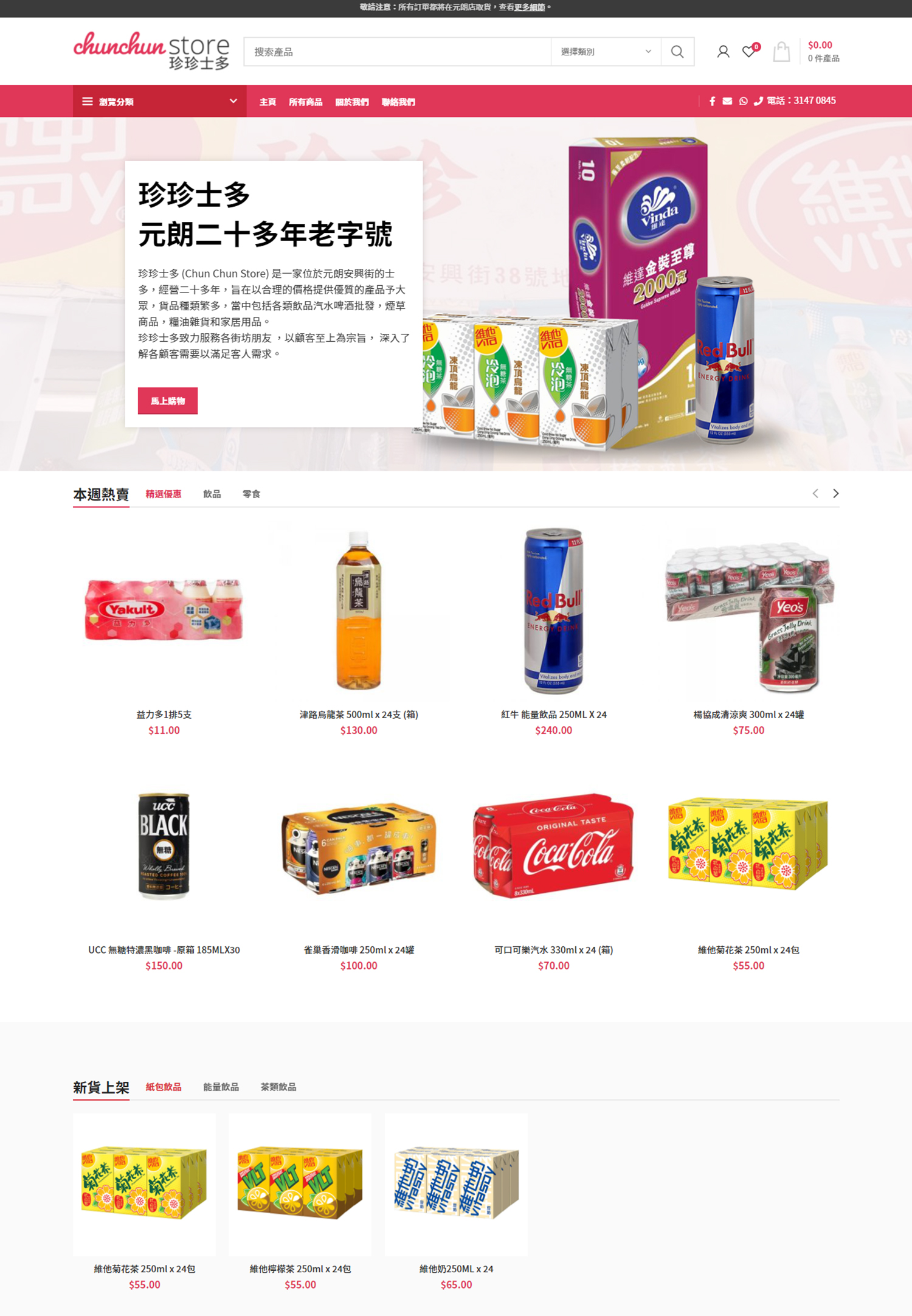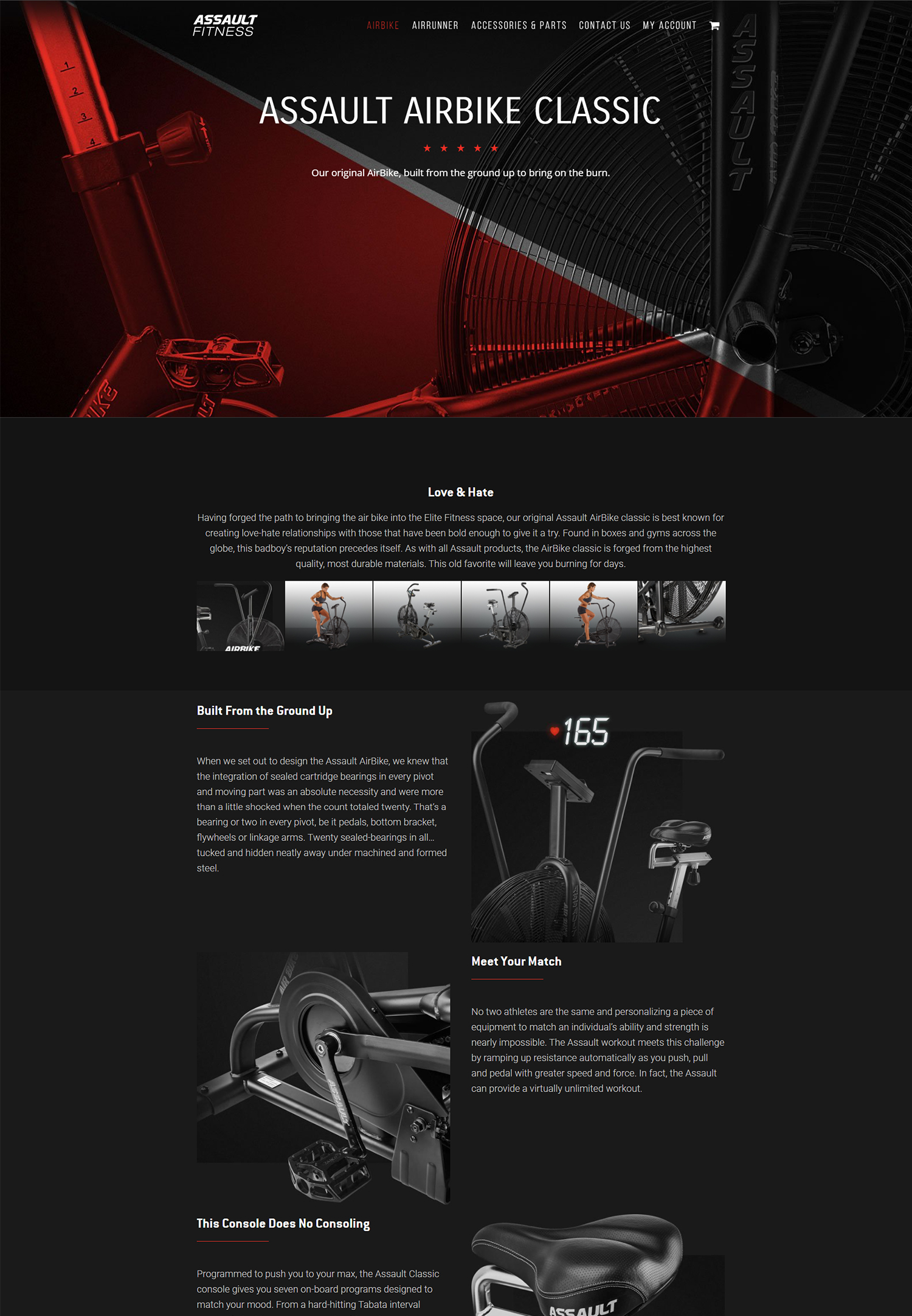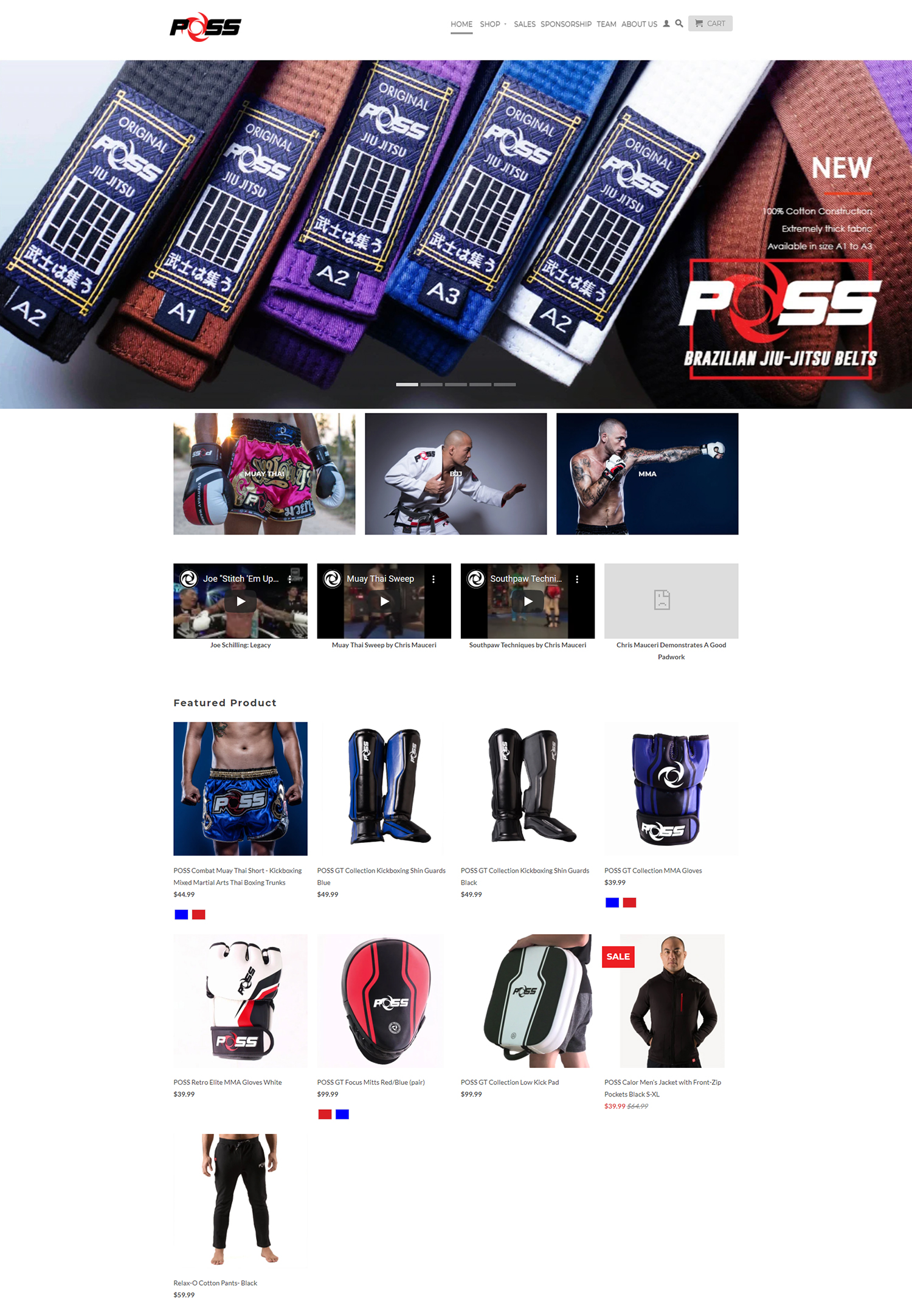


In the digital landscape, the speed at which our landing pages load can significantly influence user experience and conversion rates. We must recognize that today’s internet users are accustomed to instant gratification; they expect websites to load in the blink of an eye. Research indicates that even a one-second delay in load time can lead to a substantial drop in conversions. This means that if our landing pages are sluggish, we risk losing potential customers who may abandon our site in frustration. Therefore, understanding the importance of landing page load speed is not just a technical consideration; it is a critical aspect of our overall marketing strategy.
Moreover, search engines like Google have made it clear that page speed is a ranking factor. This means that a slow-loading landing page can negatively impact our search engine optimization (SEO) efforts, making it harder for potential customers to find us online. As we strive to improve our visibility and attract more visitors, we must prioritize optimizing load speed. By doing so, we not only enhance user experience but also improve our chances of ranking higher in search results, ultimately driving more traffic to our site. In essence, the speed of our landing pages is intertwined with both user satisfaction and our business success.
Key Takeaways
- Landing page load speed is crucial for user experience and can impact conversion rates.
- Choosing a reliable hosting provider with fast servers is essential for faster load times.
- Optimizing images and multimedia content by compressing and resizing can significantly improve load speed.
- Utilizing browser caching can help reduce server load and improve load speed for returning visitors.
- Minimizing HTTP requests by combining files and using CSS sprites can lead to a speedier landing page.
Choosing the Right Hosting Provider for Faster Load Times
Selecting the right hosting provider is one of the foundational steps we can take to ensure faster load times for our landing pages. The hosting environment plays a crucial role in determining how quickly our website can respond to user requests. When we choose a reputable hosting provider that offers high-performance servers, we set the stage for optimal load speeds. Factors such as server location, uptime guarantees, and bandwidth limits are essential considerations that can significantly impact our website’s performance.
Additionally, we should explore options like dedicated hosting or virtual private servers (VPS) if our budget allows. These options provide us with more resources and control over our server environment, which can lead to improved load times. Furthermore, many modern hosting providers offer features such as content delivery networks (CDNs) that distribute our content across multiple servers worldwide. This means that users can access our landing pages from a server closer to their geographical location, resulting in faster load times. By carefully selecting our hosting provider and leveraging advanced technologies, we can create a solid foundation for a speedy online presence.
Optimizing Images and Multimedia Content for Quick Loading
Images and multimedia content are often the heaviest elements on our landing pages, and optimizing them is crucial for enhancing load speed. We should start by ensuring that all images are appropriately sized for web use. Large image files can significantly slow down loading times, so we must compress them without sacrificing quality. Tools like image compressors can help us reduce file sizes while maintaining visual integrity, allowing our pages to load faster and providing a better user experience.
In addition to compression, we should consider using modern image formats such as WebP, which offer superior compression rates compared to traditional formats like JPEG or PNG. Furthermore, we can implement responsive images that adjust their size based on the user’s device, ensuring that mobile users do not have to download unnecessarily large files. For multimedia content like videos, we should consider embedding them from platforms like YouTube or Vimeo instead of hosting them directly on our servers. This approach not only saves bandwidth but also leverages the optimized delivery systems of these platforms, further enhancing our landing page’s load speed.
Utilizing Browser Caching to Improve Load Speed
Browser caching is a powerful technique that allows us to store certain elements of our landing pages on users’ devices after their initial visit. When users return to our site, their browsers can retrieve these cached elements instead of downloading them again, resulting in significantly faster load times. To implement browser caching effectively, we need to set appropriate cache expiration headers for various resources on our site. This tells browsers how long they should store these resources before checking for updates.
By utilizing browser caching, we not only improve load speed for returning visitors but also reduce server load and bandwidth consumption. This is particularly beneficial during peak traffic times when many users are accessing our site simultaneously. We should regularly review and update our caching strategy to ensure that it aligns with any changes we make to our landing pages. By doing so, we can maintain an efficient caching system that enhances user experience while optimizing resource usage.
Minimizing HTTP Requests for a Speedier Landing Page
| Metrics | Best Practices |
|---|---|
| Page Load Time | Optimize images, minify CSS and JavaScript, enable compression |
| Page Size | Reduce unnecessary elements, use efficient coding practices |
| Server Response Time | Use a reliable hosting provider, minimize HTTP requests |
| Mobile Optimization | Implement responsive design, prioritize content loading |
| Caching | Utilize browser caching, leverage content delivery networks |
Every element on our landing page—images, scripts, stylesheets—requires an HTTP request to load. The more requests our page makes, the longer it takes to render fully. Therefore, minimizing HTTP requests is a crucial step in speeding up our landing pages. We can achieve this by combining multiple CSS and JavaScript files into single files, reducing the number of requests needed for these resources.
Additionally, we should evaluate whether all elements on our landing page are necessary. By removing any non-essential components or consolidating similar elements, we can streamline the loading process. For instance, if we have multiple social media icons or widgets that require separate requests, we might consider using a single icon set or a unified widget instead. By taking these steps to minimize HTTP requests, we can significantly enhance the speed at which our landing pages load.
Implementing Lazy Loading for Efficient Resource Loading
Lazy loading is an effective technique that allows us to defer the loading of non-essential resources until they are needed. For instance, images that are below the fold—meaning they are not immediately visible when the page loads—can be set to load only when users scroll down to view them. This approach not only speeds up initial load times but also improves overall user experience by prioritizing content that users are likely to engage with first.
To implement lazy loading effectively, we can use various libraries or native browser features that support this functionality. By doing so, we ensure that users do not have to wait for all images and resources to load before they can interact with the visible content on our landing page. This technique is particularly beneficial for mobile users who may be on slower connections or limited data plans. By adopting lazy loading practices, we create a more efficient loading process that keeps users engaged and encourages them to explore further.
Compressing and Minifying Code for Faster Page Rendering
The code behind our landing pages plays a significant role in determining how quickly they render in users’ browsers. By compressing and minifying our HTML, CSS, and JavaScript files, we can reduce their file sizes and improve load times. Compression techniques like Gzip allow us to shrink file sizes during transmission without losing any functionality or quality.
Minification involves removing unnecessary characters from code—such as whitespace, comments, and line breaks—without affecting its functionality. This process results in smaller file sizes and faster parsing by browsers. We should also consider using tools and build processes that automate these tasks whenever we make updates to our codebase. By consistently compressing and minifying our code, we ensure that our landing pages render quickly and efficiently for all users.
Testing and Monitoring Load Speed for Continuous Improvement
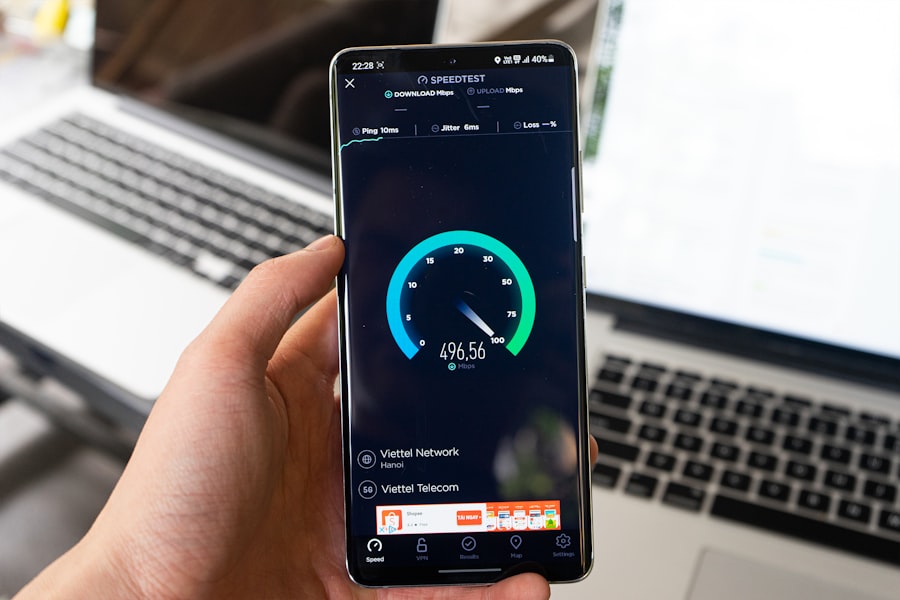
Finally, testing and monitoring the load speed of our landing pages is essential for ongoing optimization efforts. We should regularly use tools like Google PageSpeed Insights or GTmetrix to assess how quickly our pages load and identify areas for improvement. These tools provide valuable insights into specific elements that may be slowing us down and offer actionable recommendations.
Moreover, monitoring load speed over time allows us to track the impact of any changes we implement. As we make adjustments—whether through optimizing images or refining code—we can observe how these modifications affect performance metrics. Continuous improvement is key; by staying vigilant about load speed and making data-driven decisions based on testing results, we can ensure that our landing pages remain fast and efficient in an ever-evolving digital landscape.
In conclusion, optimizing landing page load speed is a multifaceted endeavor that requires attention to detail across various aspects of web development and design. By understanding its importance, choosing the right hosting provider, optimizing multimedia content, utilizing caching techniques, minimizing HTTP requests, implementing lazy loading, compressing code, and continuously testing performance metrics, we position ourselves for success in attracting and retaining visitors on our websites. Ultimately, a fast-loading landing page not only enhances user experience but also drives conversions and contributes to the overall success of our online presence.