

In the digital landscape, where competition is fierce and attention spans are fleeting, conversion optimization has emerged as a critical strategy for businesses seeking to maximize their online potential. Conversion optimization refers to the systematic process of increasing the percentage of website visitors who take a desired action, whether that be making a purchase, signing up for a newsletter, or filling out a contact form. As we delve into this topic, we recognize that understanding the nuances of user behavior and employing data-driven strategies can significantly enhance our conversion rates.
As we embark on this journey of exploration, it becomes evident that conversion optimization is not merely about tweaking a few elements on a webpage. It is a comprehensive approach that involves analyzing user interactions, understanding customer motivations, and continuously testing various elements to find the most effective combinations. By embracing this iterative process, we can create a more engaging and user-friendly experience that ultimately leads to higher conversions and increased revenue.
Key Takeaways
- Conversion optimization focuses on improving website elements to increase desired user actions.
- Identifying key metrics like conversion rate and bounce rate is essential for measuring success.
- Case studies from e-commerce, SaaS, and lead generation sites highlight diverse optimization approaches.
- Significant improvements in conversion rates were observed after applying targeted optimization strategies.
- Implementing data-driven changes and continuous testing are critical for sustained conversion growth.
Identifying Key Metrics for Conversion
To effectively optimize conversions, we must first identify the key metrics that will guide our efforts. These metrics serve as benchmarks for measuring success and provide insights into user behavior. One of the most fundamental metrics is the conversion rate itself, which is calculated by dividing the number of conversions by the total number of visitors. This simple yet powerful figure allows us to gauge the effectiveness of our current strategies and identify areas for improvement.
In addition to the conversion rate, we should also consider other important metrics such as bounce rate, average session duration, and user engagement levels. The bounce rate indicates the percentage of visitors who leave our site after viewing only one page, while average session duration measures how long users stay on our site. By analyzing these metrics in conjunction with conversion rates, we can gain a deeper understanding of user behavior and pinpoint specific areas where enhancements can be made. Ultimately, these insights will inform our optimization strategies and help us create a more compelling user experience.
Case Study 1: E-commerce Website
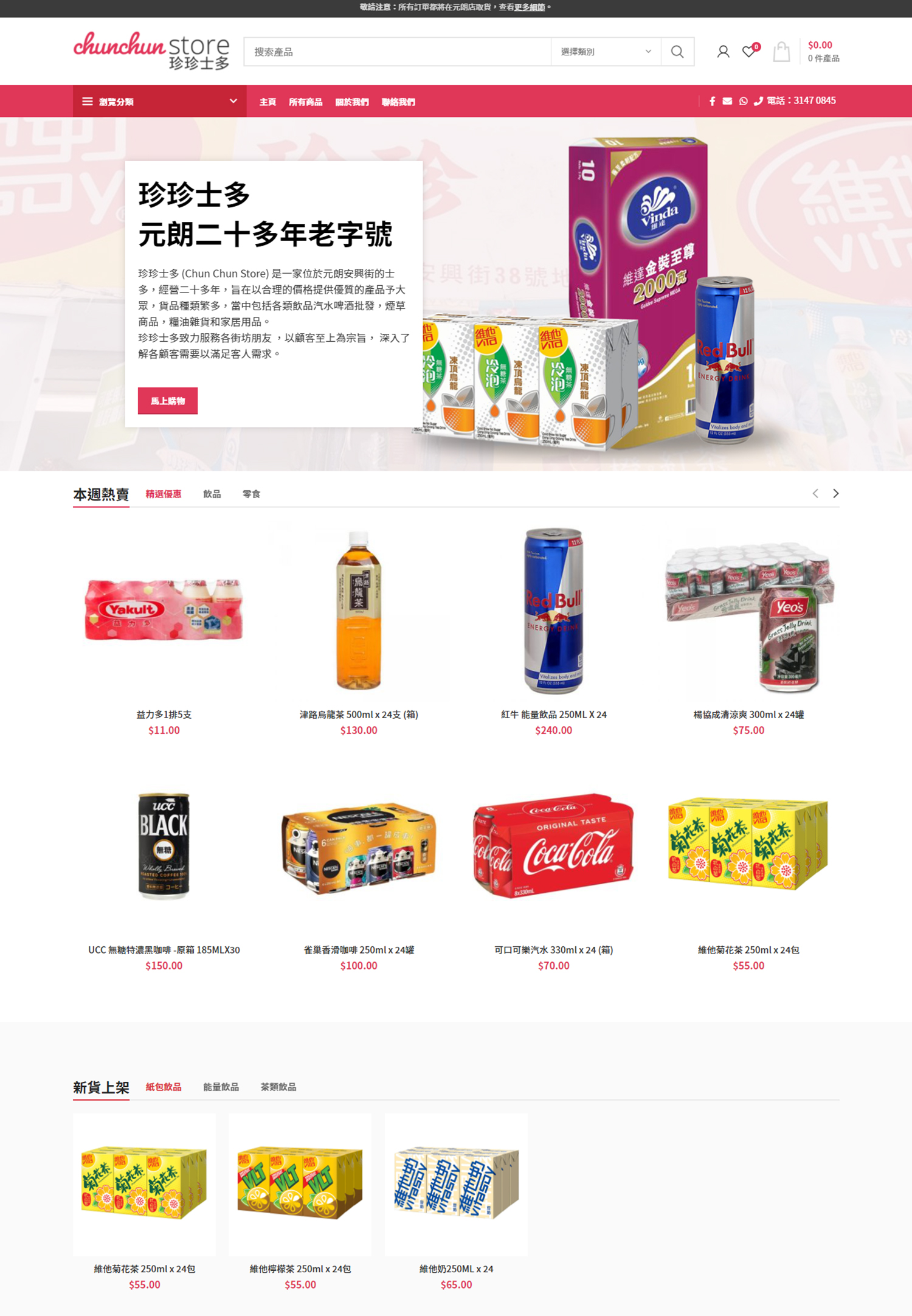
Let us examine an e-commerce website that faced challenges in converting visitors into paying customers. Initially, the site had a conversion rate of just 1.5%, which was significantly below industry standards. After conducting a thorough analysis, we discovered several factors contributing to this low rate. The website’s navigation was cluttered, making it difficult for users to find products. Additionally, the checkout process was lengthy and complicated, leading to cart abandonment.
To address these issues, we implemented several key changes. We streamlined the navigation by categorizing products more intuitively and simplifying the layout. Furthermore, we optimized the checkout process by reducing the number of steps required to complete a purchase and offering guest checkout options. After these changes were made, we monitored the site’s performance closely. Within three months, the conversion rate increased to 3.2%, demonstrating the effectiveness of our optimization efforts.
Case Study 2: SaaS Company
Next, we turn our attention to a Software as a Service (SaaS) company that struggled with converting free trial users into paying customers. Initially, their conversion rate hovered around 10%, which was not sufficient for sustainable growth. Through user feedback and analytics, we identified that many users were unaware of the full range of features available in the software, leading to underutilization during the trial period.
To tackle this challenge, we developed an onboarding process that included interactive tutorials and personalized email follow-ups highlighting key features based on user behavior. We also introduced a limited-time discount for users who converted before their trial expired. These initiatives not only educated users about the product but also created a sense of urgency to convert. As a result, within six months, the conversion rate surged to 18%, showcasing how targeted strategies can significantly impact user engagement and retention.
Case Study 3: Lead Generation Website
| Case Study | Before Optimization | After Optimization | Improvement | Key Changes Implemented |
|---|---|---|---|---|
| Landing Page Redesign | Conversion Rate: 2.5% | Conversion Rate: 5.8% | +3.3% | Improved CTA placement, simplified form, added testimonials |
| Checkout Process Streamlining | Cart Abandonment Rate: 68% | Cart Abandonment Rate: 42% | -26% | Reduced checkout steps, added progress bar, guest checkout option |
| Email Campaign Optimization | Click-Through Rate: 8% | Click-Through Rate: 15% | +7% | Personalized subject lines, segmented audience, optimized send times |
| Product Page Enhancements | Average Time on Page: 1 min 20 sec | Average Time on Page: 2 min 45 sec | +1 min 25 sec | Added high-quality images, detailed descriptions, customer reviews |
| Mobile Site Optimization | Bounce Rate: 55% | Bounce Rate: 33% | -22% | Improved load speed, responsive design, simplified navigation |
Our final case study focuses on a lead generation website that aimed to capture more leads for its clients but was facing difficulties in doing so. The initial conversion rate for lead submissions was around 5%, which was far from optimal given the potential market size. After conducting user testing and analyzing heatmaps, we found that visitors were often overwhelmed by the amount of information presented on the landing page.
In response to these findings, we simplified the landing page by reducing text and incorporating clear calls-to-action (CTAs). We also tested different form lengths to determine the optimal balance between gathering necessary information and minimizing friction for users. By implementing these changes and continuously A/B testing various elements, we were able to increase the conversion rate to 12% over a period of four months. This case illustrates how even small adjustments can lead to significant improvements in lead generation efforts.
Before and After Conversion Optimization Results
Reflecting on our case studies, it is clear that conversion optimization can yield remarkable results when approached strategically. In each instance, we began with a thorough analysis of existing metrics and user behavior to identify pain points. The subsequent implementation of targeted changes led to substantial increases in conversion rates across all three scenarios.
For the e-commerce website, we witnessed an increase from 1.5% to 3.2%, while the SaaS company experienced growth from 10% to 18%. The lead generation website saw its conversion rate double from 5% to 12%. These before-and-after comparisons not only highlight the effectiveness of our optimization strategies but also underscore the importance of continuous testing and iteration in achieving sustained success.
Key Takeaways and Lessons Learned
As we reflect on our journey through these case studies, several key takeaways emerge that can guide our future efforts in conversion optimization. First and foremost, understanding user behavior is paramount. By leveraging analytics tools and conducting user testing, we can gain valuable insights into what drives conversions and what hinders them.
Additionally, simplicity often leads to better results. In each case study, we found that reducing complexity—whether through streamlined navigation or simplified forms—resulted in higher conversion rates. Furthermore, personalization plays a crucial role in engaging users; tailoring experiences based on individual behavior can significantly enhance user satisfaction and drive conversions.
Implementing Conversion Optimization Strategies
With these insights in mind, we are now equipped to implement effective conversion optimization strategies across various platforms. The first step involves establishing clear goals and identifying key performance indicators (KPIs) that align with those objectives. From there, we can conduct thorough analyses of user behavior using tools like heatmaps and session recordings to pinpoint areas for improvement.
Once we have identified specific pain points, we can begin implementing changes—whether through A/B testing different layouts or refining our messaging—to see what resonates best with our audience. Continuous monitoring and iteration will be essential as we strive for ongoing improvements in our conversion rates.
In conclusion, conversion optimization is an ongoing journey that requires dedication and adaptability. By embracing data-driven strategies and focusing on user experience, we can unlock new levels of success for our businesses in an increasingly competitive digital landscape.