

As we delve into the world of marketing, it becomes essential for us to grasp the concept of the marketing funnel. This model serves as a visual representation of the customer journey, guiding potential buyers from the initial awareness of a product or service to the final decision to purchase. The funnel is typically divided into three primary stages: the top, middle, and bottom. Each stage plays a crucial role in shaping the customer’s experience and influencing their decision-making process. By understanding these stages, we can tailor our marketing strategies to effectively engage our audience at every point along their journey.
At the top of the funnel, we encounter potential customers who are just beginning to explore their options. They may not yet be aware of our brand or the solutions we offer. As we move down the funnel, these individuals become more informed and start considering their choices more seriously. Finally, at the bottom of the funnel, we find those who are ready to make a purchase decision. By recognizing where our audience stands within this funnel, we can create targeted content that resonates with their needs and motivations, ultimately guiding them toward conversion.
Key Takeaways
- The marketing funnel stages include top of the funnel (TOFU), middle of the funnel (MOFU), and bottom of the funnel (BOFU).
- TOFU content formats include blog posts, infographics, and social media posts to attract and engage potential customers.
- MOFU content formats include case studies, whitepapers, and webinars to educate and inform leads about the product or service.
- BOFU content formats include product demos, free trials, and customer testimonials to encourage leads to make a purchase decision.
- Consistent content across funnel stages helps guide leads through the buyer’s journey and build trust with the brand.
Top of the Funnel (TOFU) Content Formats
When it comes to the top of the funnel, our primary goal is to attract and engage a broad audience. This stage is all about generating awareness and sparking interest in our brand. To achieve this, we can utilize various content formats that are designed to capture attention and provide value without being overly promotional. Blog posts, infographics, social media content, and videos are just a few examples of effective TOFU content formats that can help us reach potential customers.
Blog posts are particularly powerful at this stage because they allow us to address common questions or pain points that our target audience may have. By providing informative and engaging articles, we can position ourselves as thought leaders in our industry while also driving organic traffic to our website. Infographics, on the other hand, offer a visually appealing way to present complex information in a digestible format. By sharing these on social media platforms, we can increase our reach and encourage shares, further amplifying our brand visibility.
Middle of the Funnel (MOFU) Content Formats
As we transition into the middle of the funnel, our focus shifts from attracting a wide audience to nurturing leads who have already shown interest in our offerings. At this stage, we need to provide more in-depth information that helps potential customers evaluate their options and understand how our products or services can meet their needs. Content formats that work well in this phase include case studies, webinars, eBooks, and comparison guides.
Case studies are particularly effective in demonstrating real-world applications of our products or services. By showcasing success stories from satisfied customers, we can build trust and credibility with our audience. Webinars also serve as an excellent tool for engaging leads by offering them valuable insights and expert knowledge on relevant topics. This interactive format allows us to connect with potential customers on a deeper level while addressing their specific concerns and questions.
Bottom of the Funnel (BOFU) Content Formats

At the bottom of the funnel, we find ourselves in a critical phase where leads are ready to make a purchasing decision. Our content strategy at this stage should focus on providing compelling reasons for potential customers to choose us over competitors. This is where formats such as product demos, testimonials, free trials, and detailed product comparisons come into play.
Product demos allow us to showcase the features and benefits of our offerings in a tangible way. By providing potential customers with a firsthand experience of what we have to offer, we can alleviate any lingering doubts they may have. Testimonials from satisfied customers serve as powerful social proof, reinforcing our credibility and encouraging leads to take action. Additionally, offering free trials can be an effective way to lower barriers to entry and entice potential buyers to experience our product without any financial commitment.
Creating Consistent Content Across Funnel Stages
| Funnel Stage | Content Format | Metrics |
|---|---|---|
| Awareness | Blog posts | Page views, time on page |
| Interest | Infographics | Shares, likes, comments |
| Consideration | Case studies | Downloads, form submissions |
| Decision | Product demos | Sign-ups, free trials |
One of the key challenges we face in content marketing is ensuring consistency across all stages of the marketing funnel. While each stage requires different types of content tailored to specific audience needs, maintaining a cohesive brand voice and message is essential for building trust and recognition. To achieve this consistency, we must develop a clear content strategy that outlines our goals, target audience, and key messaging for each funnel stage.
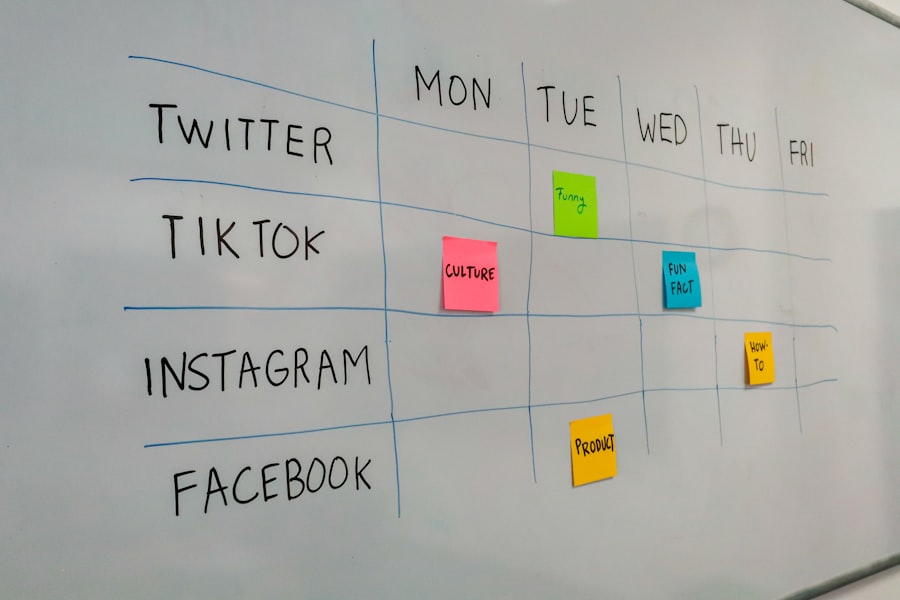
By creating a content calendar that aligns with our overall marketing objectives, we can ensure that we are consistently delivering valuable content at every stage of the funnel. This approach not only helps us stay organized but also allows us to track our progress and make adjustments as needed. Furthermore, by repurposing content across different formats and channels, we can maximize our reach while maintaining a unified brand presence.
Leveraging Different Content Formats for Each Funnel Stage
As we navigate through the marketing funnel, it’s crucial for us to leverage different content formats strategically at each stage. Each format serves a unique purpose and caters to specific audience preferences. For instance, while visual content may be more effective at the top of the funnel for capturing attention, detailed written content may resonate better with leads in the middle of the funnel who are seeking more information.
Incorporating a mix of formats not only keeps our content fresh and engaging but also allows us to cater to diverse learning styles among our audience. Some individuals may prefer watching videos or listening to podcasts, while others may gravitate toward reading articles or eBooks. By offering a variety of content formats throughout the funnel, we can enhance user experience and increase the likelihood of conversion.
Measuring the Effectiveness of Content Across Funnel Stages
To ensure that our content marketing efforts are yielding positive results, it’s essential for us to measure the effectiveness of our content across all stages of the marketing funnel. By analyzing key performance indicators (KPIs) such as engagement rates, conversion rates, and lead generation metrics, we can gain valuable insights into how well our content is resonating with our audience.
Tools like Google Analytics and social media analytics platforms provide us with data that can help us assess which content formats are performing best at each stage of the funnel. For example, if we notice that blog posts are driving significant traffic at the top of the funnel but not converting leads in the middle stage, it may indicate a need for more targeted MOFU content. By continuously monitoring and analyzing these metrics, we can refine our content strategy and optimize our efforts for better results.
Adapting Content Formats to Evolving Marketing Funnel Strategies
As we continue to evolve in the ever-changing landscape of digital marketing, it’s vital for us to remain adaptable in our approach to content formats within the marketing funnel. Consumer behavior and preferences are constantly shifting, influenced by technological advancements and changing market dynamics. Therefore, staying attuned to these changes allows us to adjust our content strategies accordingly.
For instance, as video consumption continues to rise across various platforms, incorporating more video content into our TOFU and MOFU strategies may be necessary to capture audience attention effectively. Similarly, as personalization becomes increasingly important in marketing, tailoring content formats based on individual preferences can enhance engagement and drive conversions. By embracing flexibility and innovation in our content creation efforts, we position ourselves for success in an ever-evolving marketplace.
In conclusion, understanding the marketing funnel stages is crucial for developing an effective content strategy that resonates with our audience at every point along their journey. By leveraging diverse content formats tailored to each stage—TOFU, MOFU, and BOFU—we can create a cohesive experience that nurtures leads from awareness to conversion. Consistency in messaging and adaptability in response to changing consumer behaviors will ultimately empower us to achieve our marketing goals while building lasting relationships with our customers.