

In the realm of digital design and user experience, understanding the user’s needs and behavior is paramount. We must delve into the psyche of our audience, exploring their motivations, preferences, and pain points. By conducting thorough research, including surveys, interviews, and analytics, we can gather invaluable insights that inform our design decisions. This process allows us to create a user-centric experience that resonates with our target demographic. We should not only focus on what users say they want but also observe their actions to uncover hidden needs that may not be immediately apparent.
Moreover, we must recognize that user behavior is often influenced by various factors, including cultural background, age, and technological proficiency. By segmenting our audience and tailoring our approach to different user groups, we can enhance engagement and satisfaction. For instance, younger users may prefer a more dynamic and visually stimulating interface, while older users might appreciate simplicity and clarity. By empathizing with our users and understanding their unique journeys, we can craft experiences that are not only functional but also enjoyable.
Key Takeaways
- Understanding the user’s needs and behavior is crucial for creating a successful website.
- Creating a visually appealing layout can enhance user experience and engagement.
- Using compelling and relevant content is essential for keeping users interested and informed.
- Implementing clear and prominent calls to action can drive user interaction and conversion.
- Incorporating interactive elements can make the website more engaging and memorable for users.
Creating a visually appealing layout
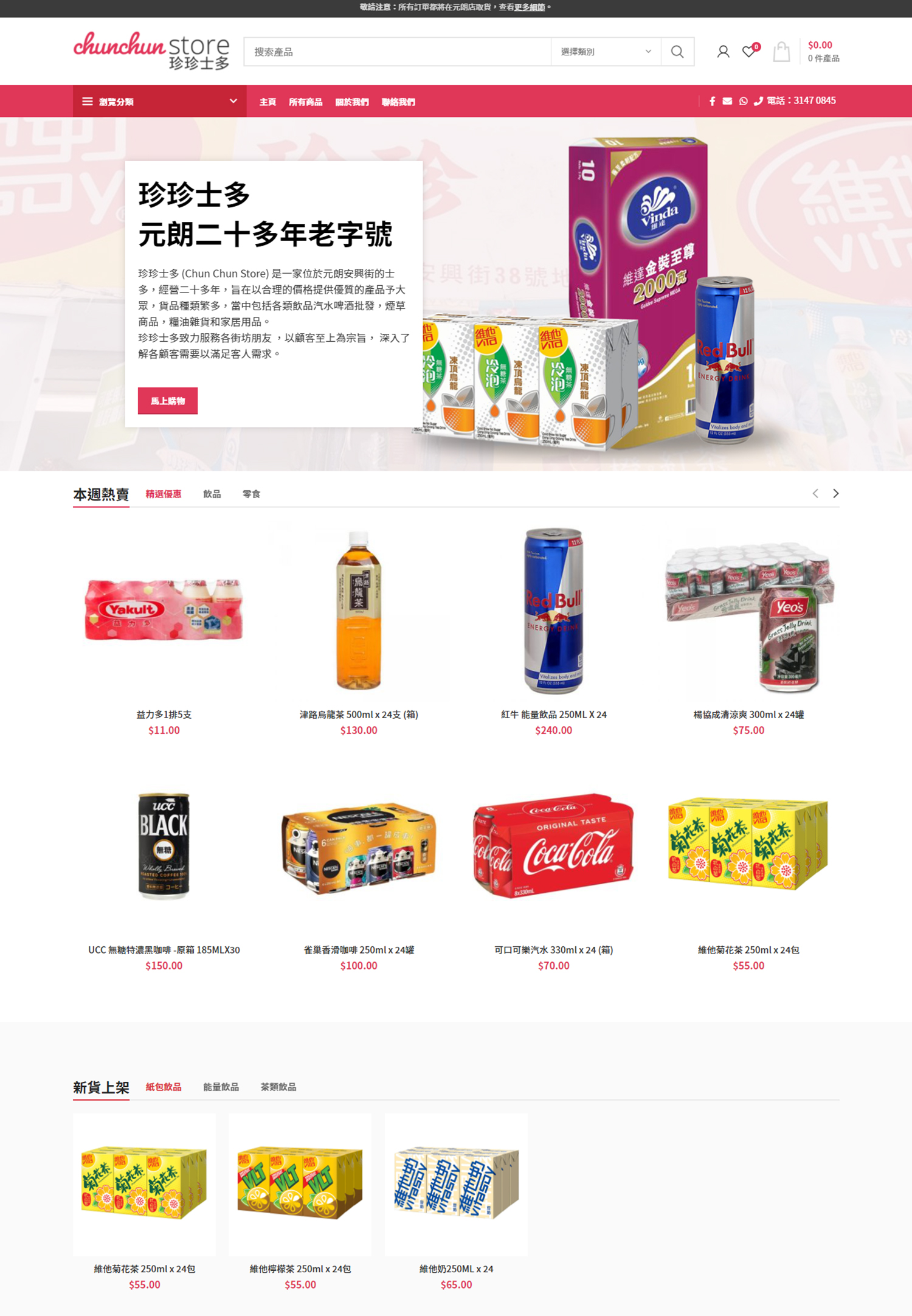
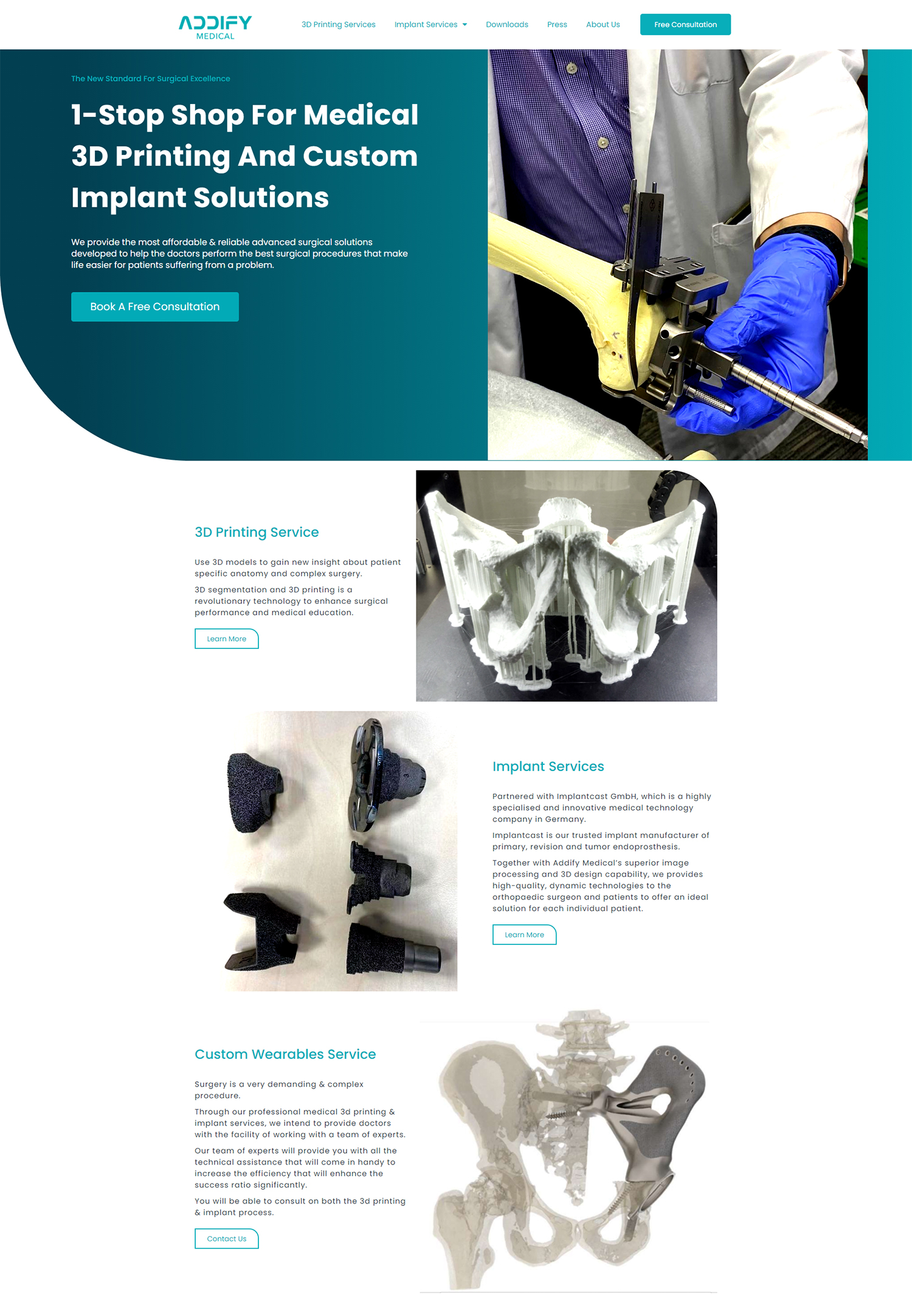
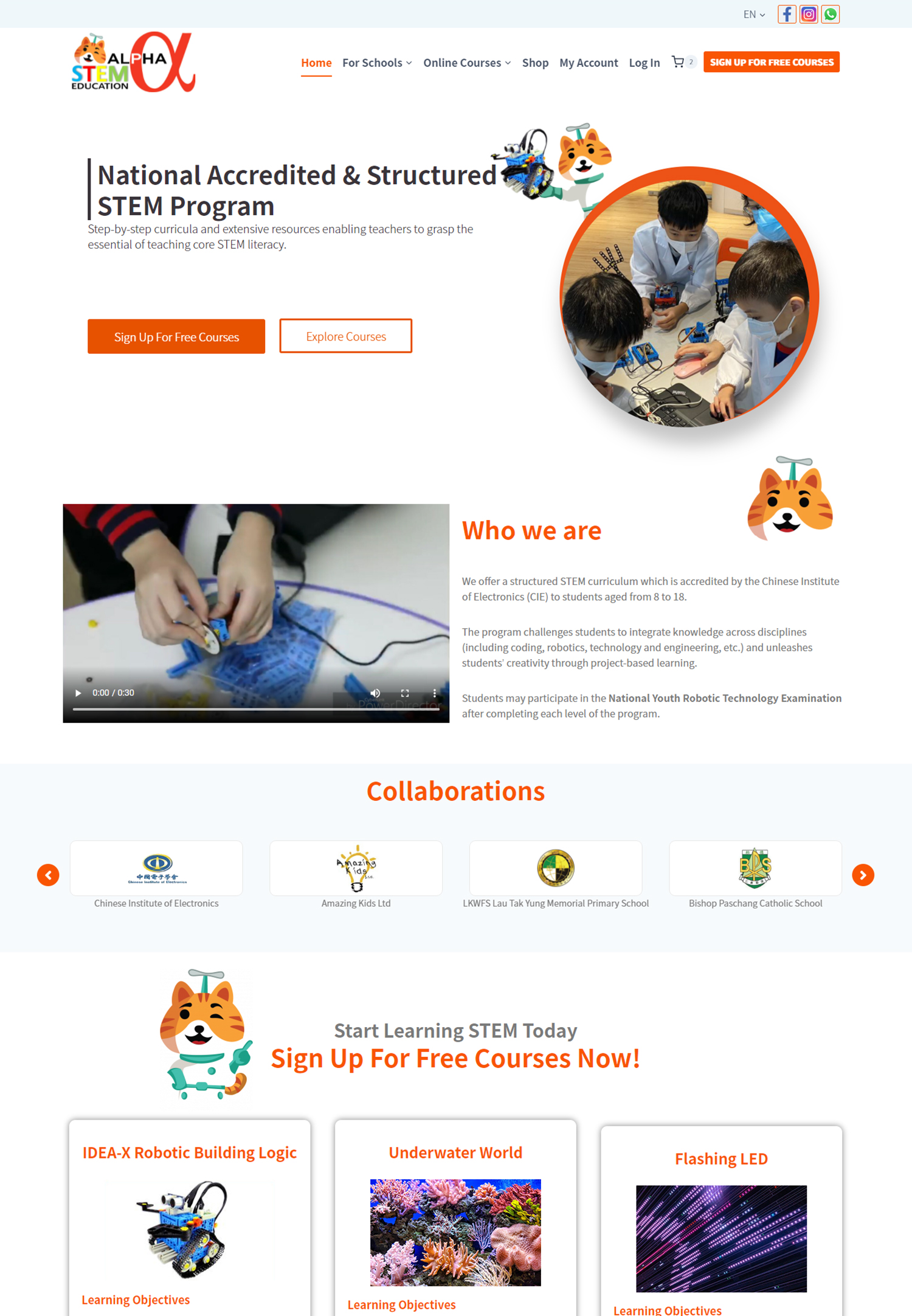
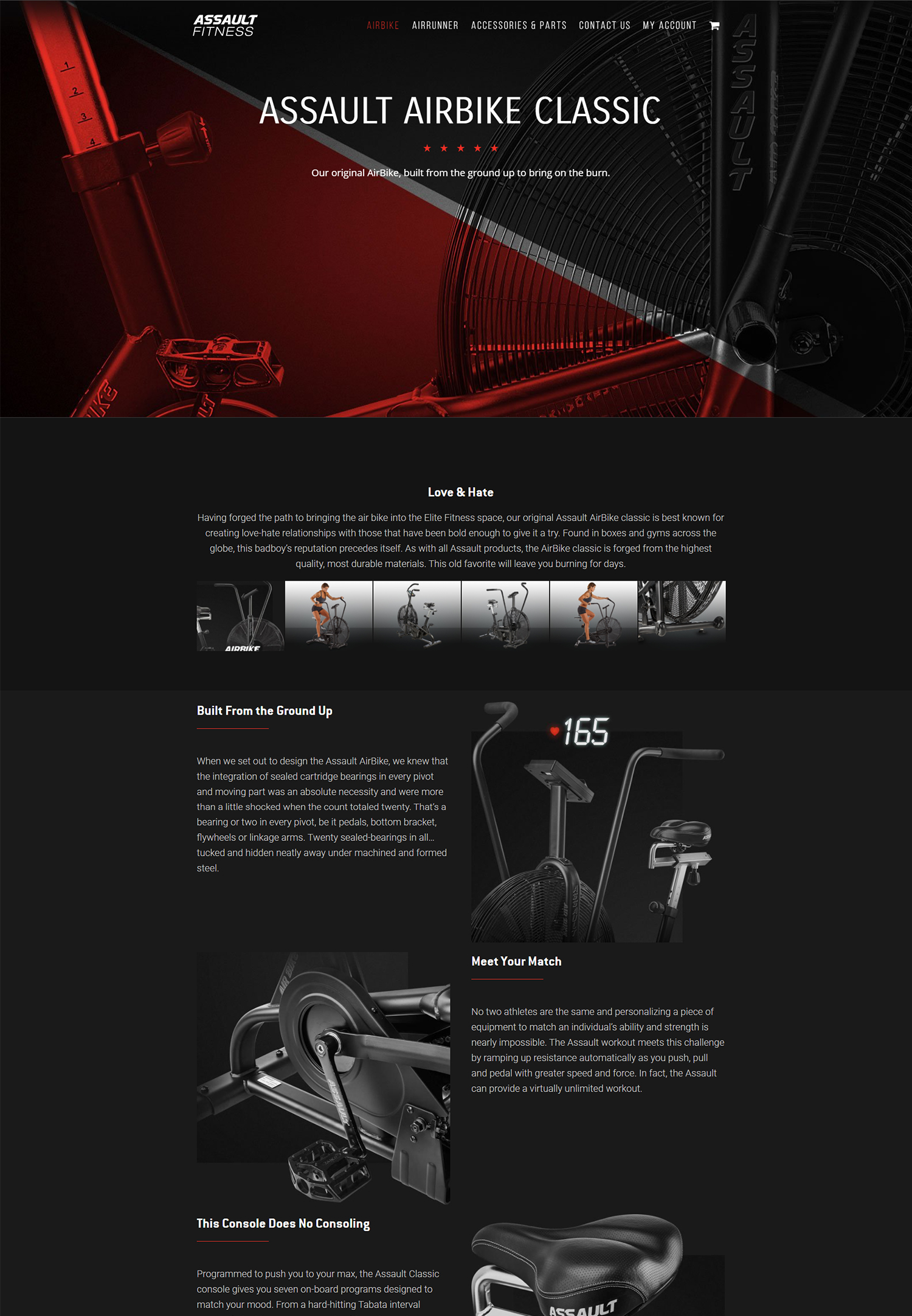
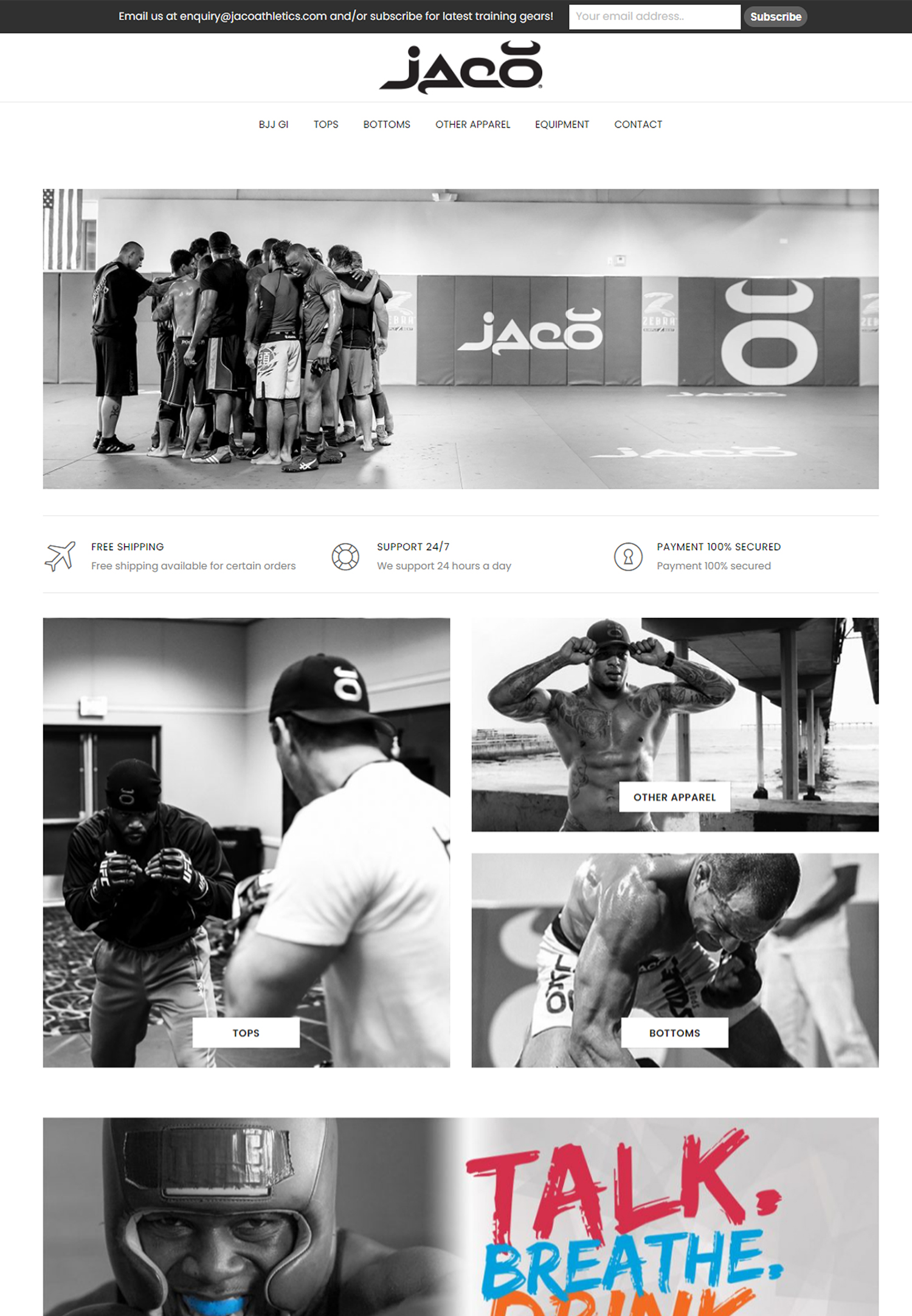
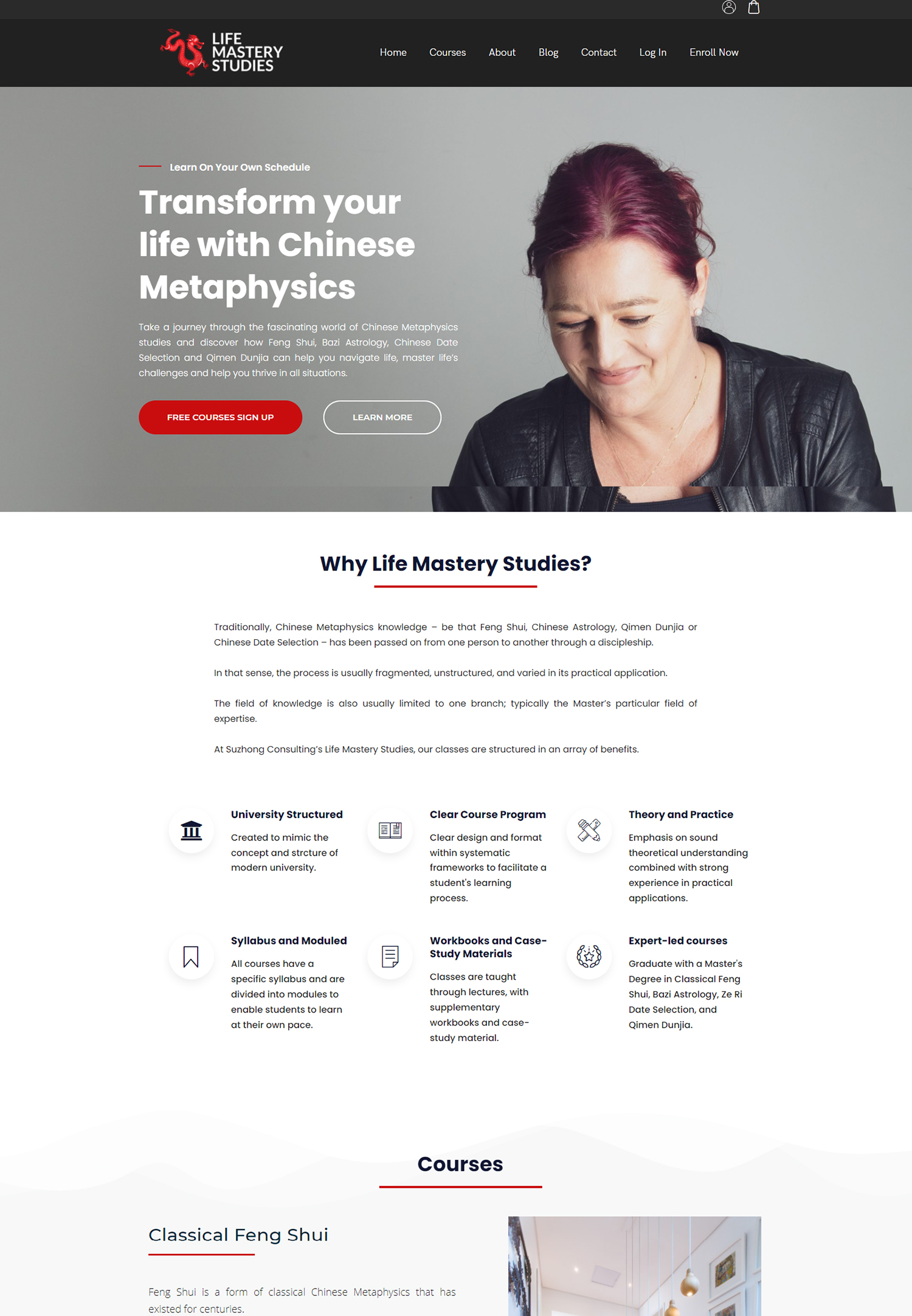
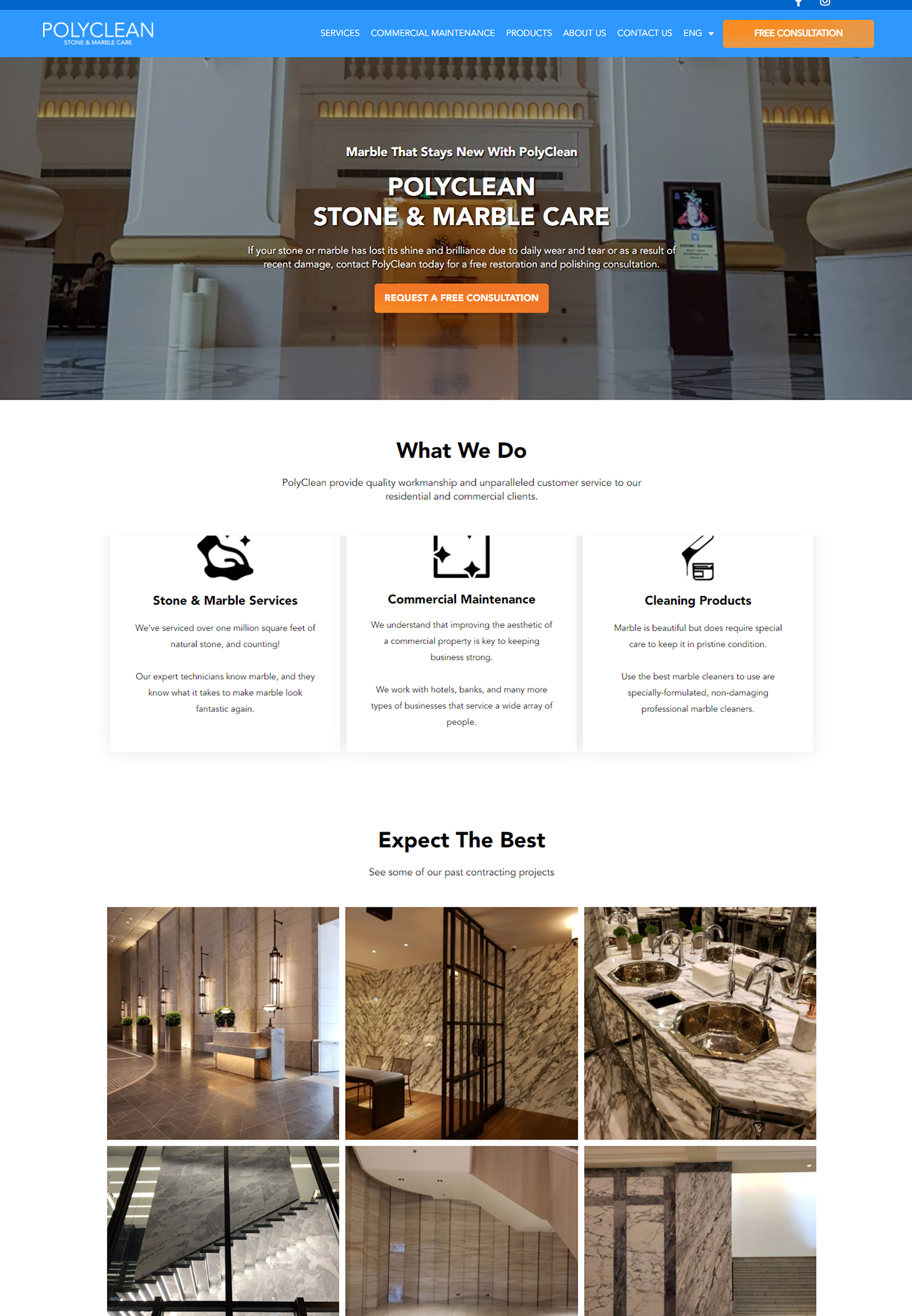
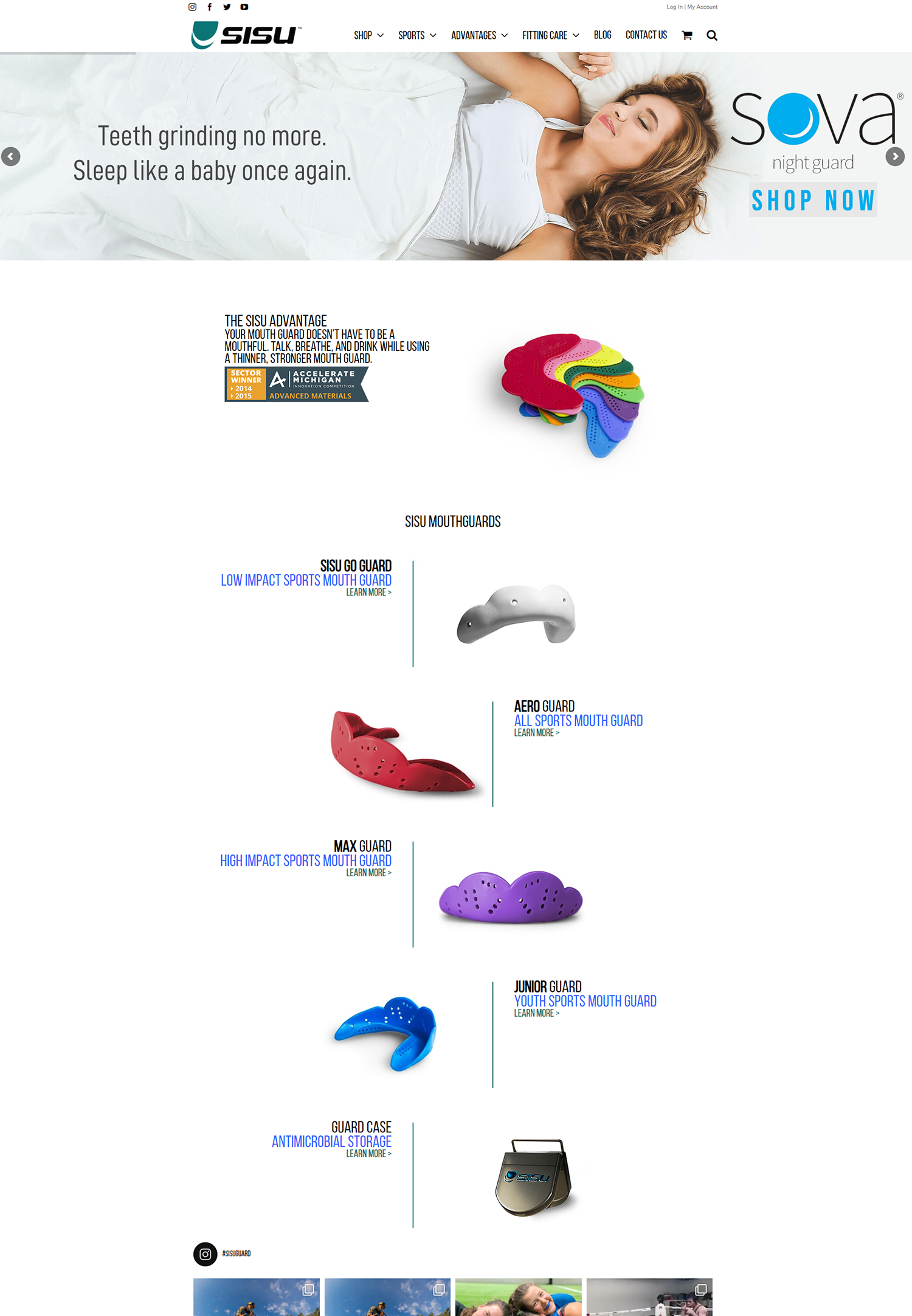
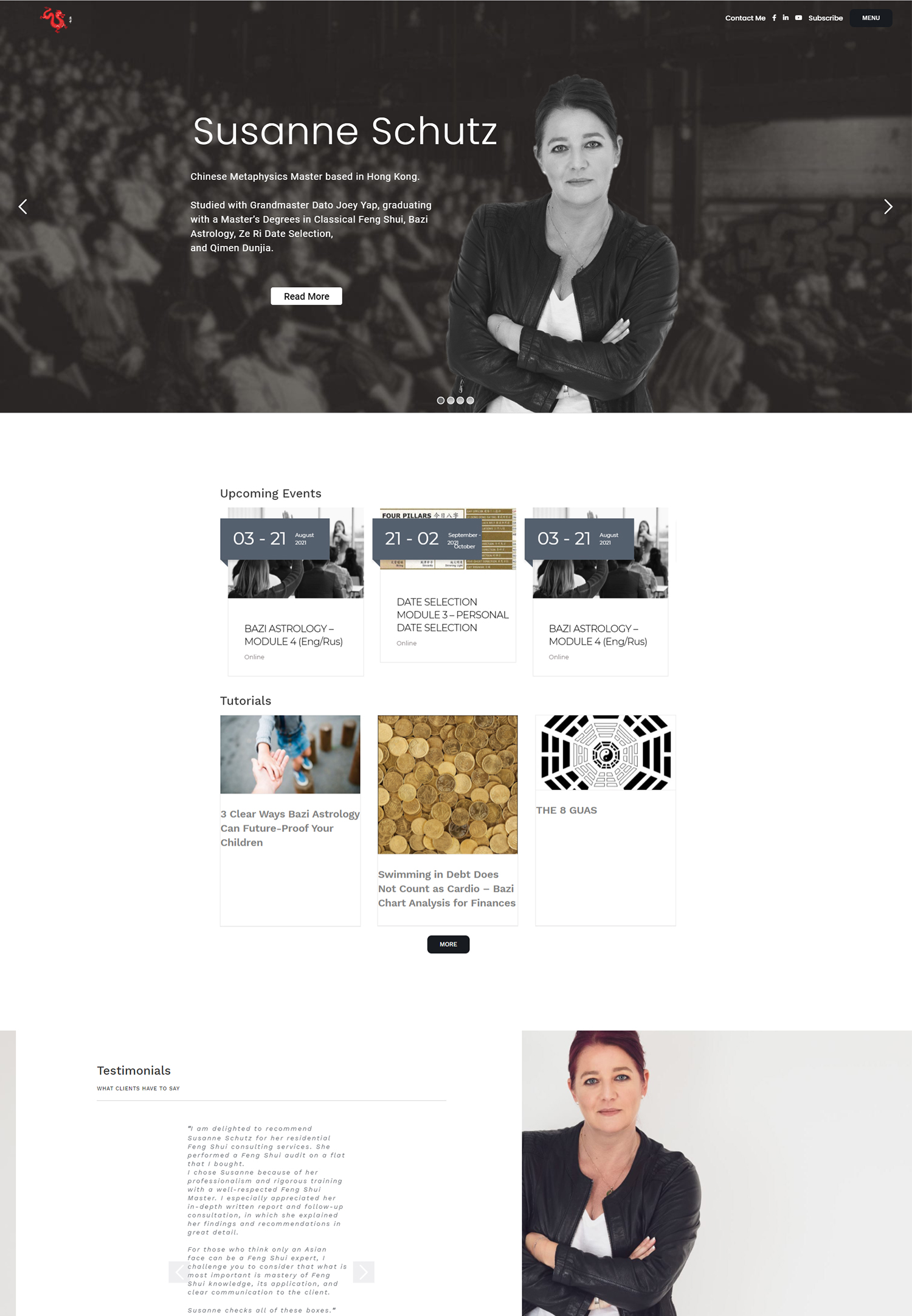
A visually appealing layout serves as the foundation of any successful digital experience. We know that first impressions matter, and a well-designed interface can captivate users from the moment they land on our page. To achieve this, we must carefully consider elements such as color schemes, typography, and imagery. A harmonious color palette can evoke emotions and set the tone for the entire experience, while thoughtful typography enhances readability and guides users through the content.
In addition to aesthetics, we must prioritize usability in our layout design. A cluttered or chaotic interface can overwhelm users and lead to frustration. By employing principles of visual hierarchy, we can direct users’ attention to the most important elements on the page. This involves strategically placing key information and calls to action in prominent positions while ensuring that secondary content supports rather than distracts from the main message. Ultimately, our goal is to create a seamless blend of beauty and functionality that invites users to explore further.
Using compelling and relevant content
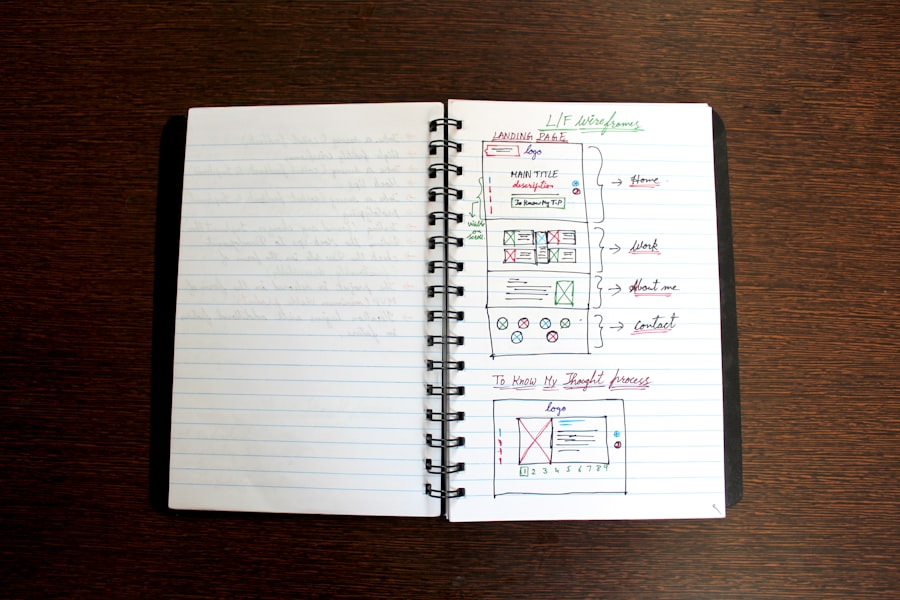
Content is the lifeblood of any digital experience, and we must ensure that it is both compelling and relevant to our audience. To achieve this, we should start by identifying the core messages we want to convey and aligning them with the interests and needs of our users. Engaging storytelling can draw users in, making them feel connected to the content on a personal level. By using relatable language and real-life examples, we can create a narrative that resonates with our audience.
Furthermore, we must remain vigilant about the relevance of our content. As trends and user preferences evolve, so too should our messaging. Regularly updating our content not only keeps it fresh but also demonstrates our commitment to providing value to our users. We should also consider incorporating various content formats—such as videos, infographics, and podcasts—to cater to different learning styles and preferences. By diversifying our content offerings, we can enhance engagement and ensure that users find what they are looking for.
Implementing clear and prominent calls to action

Calls to action (CTAs) are essential components of any digital experience, guiding users toward desired outcomes. We must ensure that our CTAs are clear, concise, and prominently displayed throughout the user journey. A well-crafted CTA not only informs users of what action to take but also creates a sense of urgency or excitement around that action. For instance, phrases like “Get Started Today” or “Join Our Community” can motivate users to engage with our offerings.
In addition to wording, the design of our CTAs plays a crucial role in their effectiveness. We should use contrasting colors and strategic placement to make them stand out on the page. Furthermore, we must consider the context in which CTAs appear; they should be relevant to the surrounding content and seamlessly integrated into the user experience. By thoughtfully implementing CTAs, we can drive conversions and encourage users to take meaningful actions that align with our goals.
Incorporating interactive elements
| Metrics | Results |
|---|---|
| Average time on page | 3 minutes |
| Bounce rate | 25% |
| Click-through rate | 10% |
| Number of interactions | 50 |
Incorporating interactive elements into our digital experiences can significantly enhance user engagement and satisfaction. We understand that users are more likely to stay on a page when they can actively participate rather than passively consume information. Interactive features such as quizzes, polls, sliders, or clickable infographics invite users to explore content in a more dynamic way. These elements not only make the experience more enjoyable but also provide valuable insights into user preferences and behaviors.
Moreover, interactivity fosters a sense of connection between users and our brand. When users engage with interactive content, they are more likely to remember their experience and share it with others. This word-of-mouth marketing can be invaluable in expanding our reach and attracting new audiences. As we design these interactive elements, we must ensure they are intuitive and easy to use; otherwise, they may frustrate users rather than delight them. By striking the right balance between engagement and usability, we can create memorable experiences that resonate with our audience.
Optimizing for mobile and desktop devices
In today’s digital landscape, optimizing for both mobile and desktop devices is no longer optional; it is essential for reaching a broad audience. We recognize that users access content from various devices with different screen sizes and capabilities. Therefore, we must adopt a responsive design approach that ensures a seamless experience across all platforms. This involves using flexible layouts, scalable images, and adaptable navigation menus that cater to both mobile and desktop users.
Additionally, we should prioritize performance optimization for mobile devices, as slow loading times can lead to high bounce rates. By minimizing file sizes, leveraging browser caching, and optimizing images for faster loading speeds, we can enhance the mobile experience significantly. Furthermore, we must consider touch interactions when designing for mobile; buttons should be large enough for easy tapping, and navigation should be intuitive for users on smaller screens. By embracing a mobile-first mindset while also catering to desktop users, we can create inclusive experiences that meet the needs of all audiences.
Utilizing social proof and testimonials
Social proof is a powerful tool in building trust and credibility with our audience. We understand that potential customers often look for validation from others before making decisions. By incorporating testimonials, reviews, case studies, or user-generated content into our digital experiences, we can showcase real-life experiences that resonate with prospective users. This not only enhances our brand’s authenticity but also encourages new visitors to engage with us.
We should strategically place social proof elements throughout our website or application to maximize their impact. For instance, featuring testimonials prominently on landing pages or product descriptions can help alleviate any doubts potential customers may have about our offerings. Additionally, showcasing user-generated content on social media platforms can foster a sense of community around our brand while encouraging others to share their experiences as well. By leveraging social proof effectively, we can create a positive feedback loop that drives engagement and conversions.
Analyzing and testing for continuous improvement
The digital landscape is ever-evolving, which means that continuous improvement is vital for maintaining relevance and effectiveness in our designs. We must adopt a data-driven approach by regularly analyzing user behavior through analytics tools and feedback mechanisms. This allows us to identify areas for improvement and make informed decisions based on real user data rather than assumptions.
A/B testing is one effective method for optimizing various elements of our digital experiences. By comparing two versions of a webpage or feature—such as different layouts or CTAs—we can determine which performs better in terms of user engagement or conversion rates. This iterative process enables us to refine our designs continually based on empirical evidence rather than guesswork. Furthermore, soliciting direct feedback from users through surveys or usability testing can provide valuable insights into their experiences and preferences. By fostering a culture of continuous improvement through analysis and testing, we can ensure that our digital experiences remain relevant and effective over time.
In conclusion, creating exceptional digital experiences requires a multifaceted approach that encompasses understanding user needs, designing visually appealing layouts, crafting compelling content, implementing clear calls to action, incorporating interactivity, optimizing for various devices, utilizing social proof, and committing to continuous improvement through analysis and testing. By embracing these principles collectively, we can build engaging experiences that resonate with our audience while driving meaningful results for our brand.