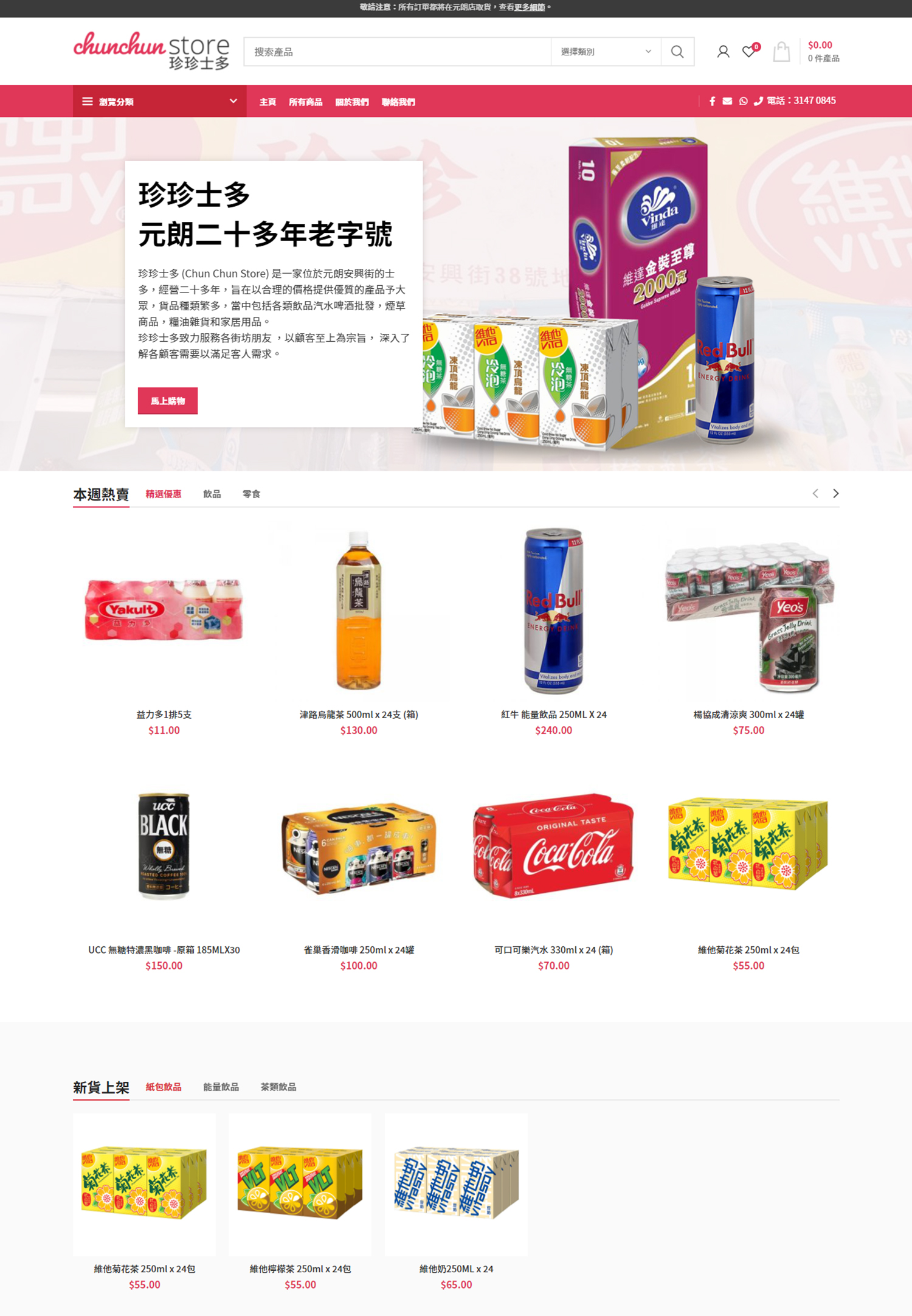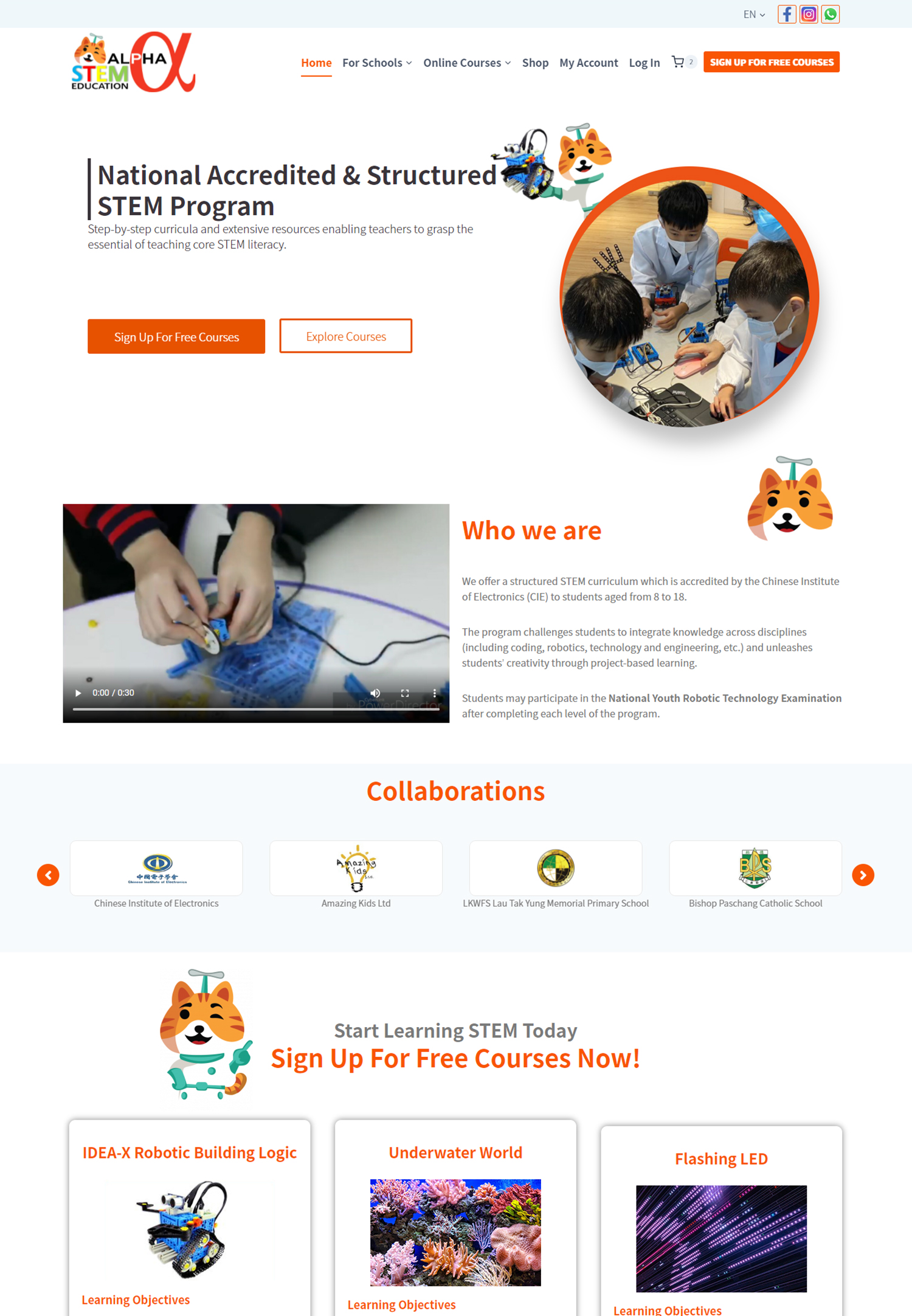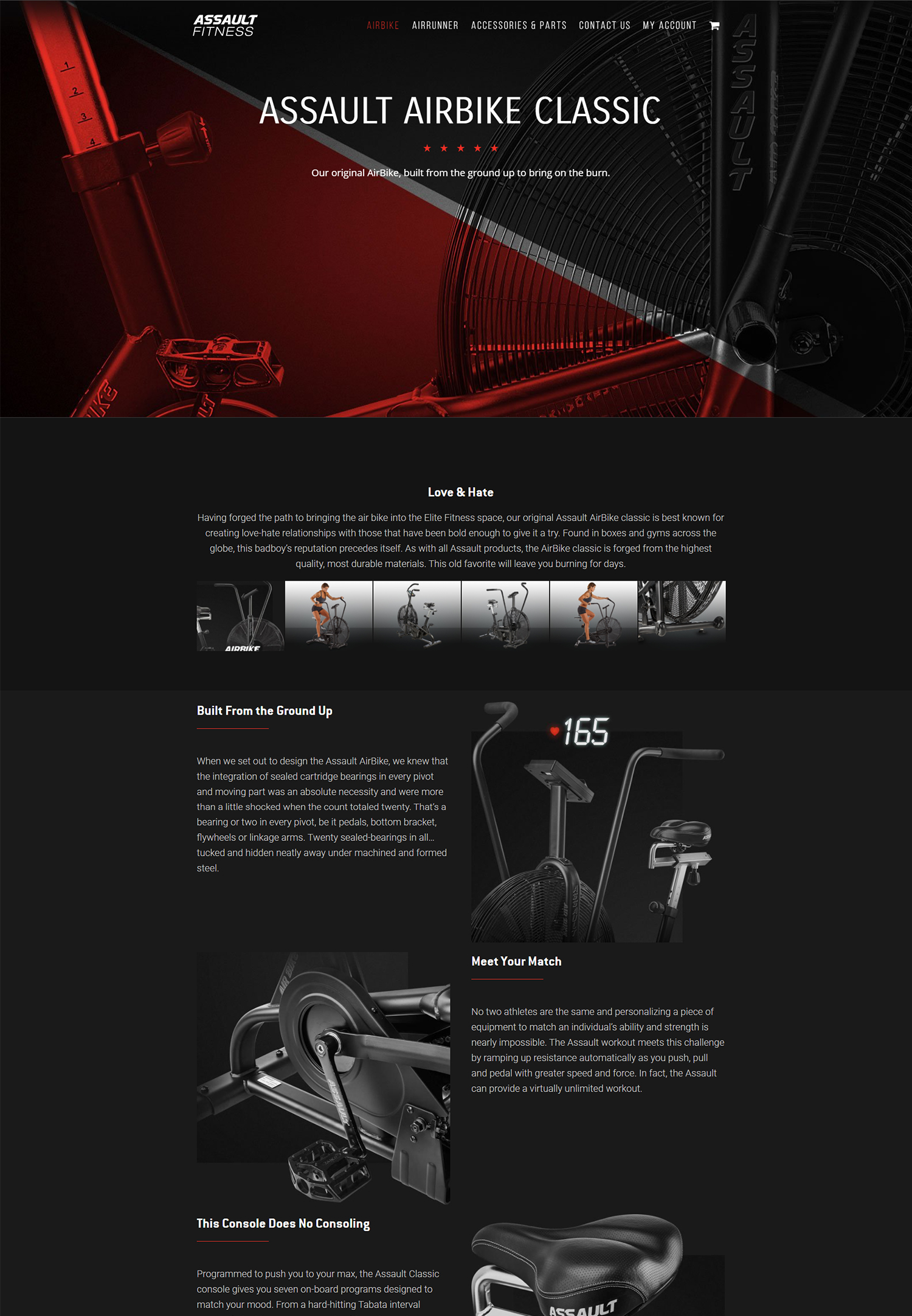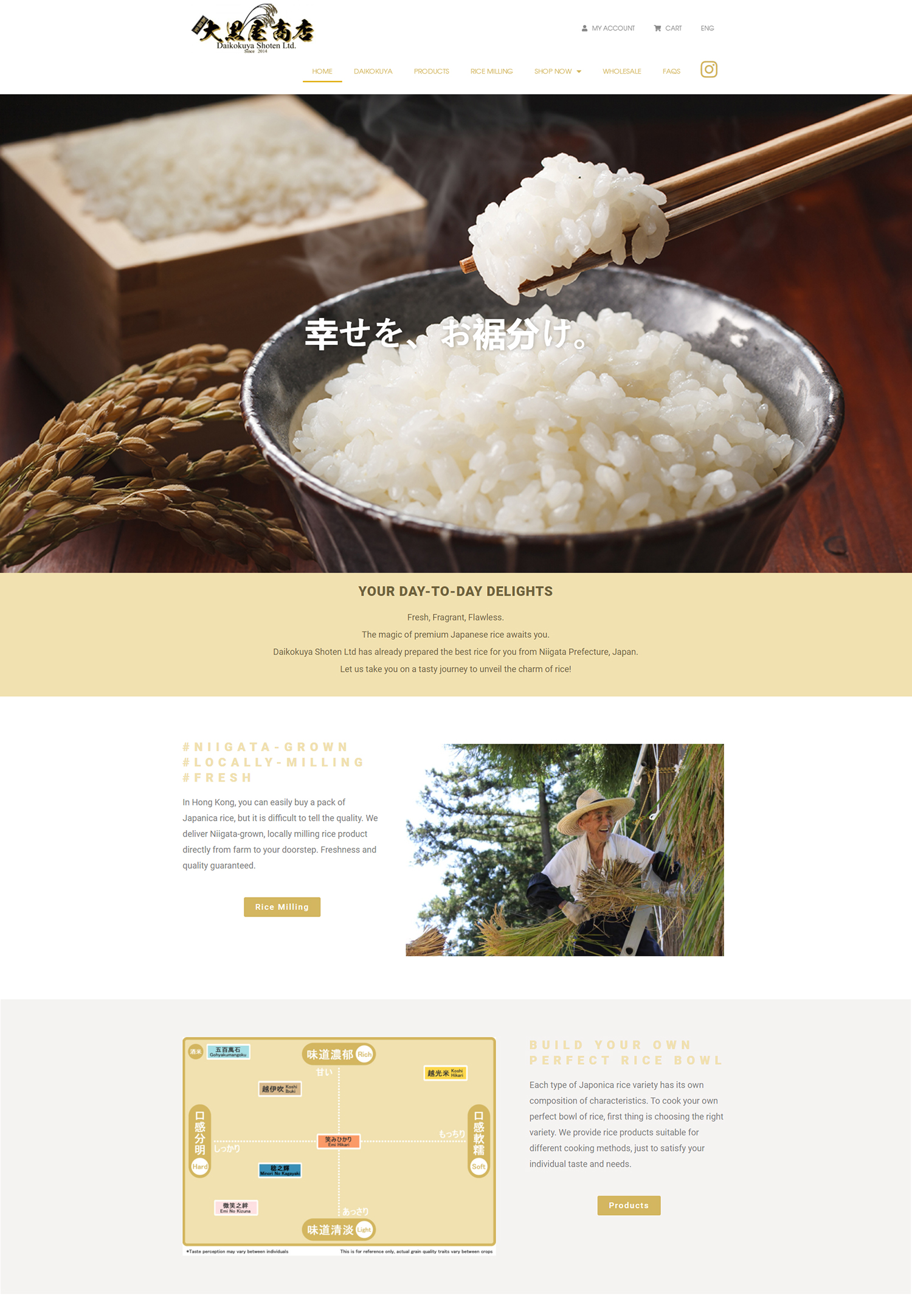


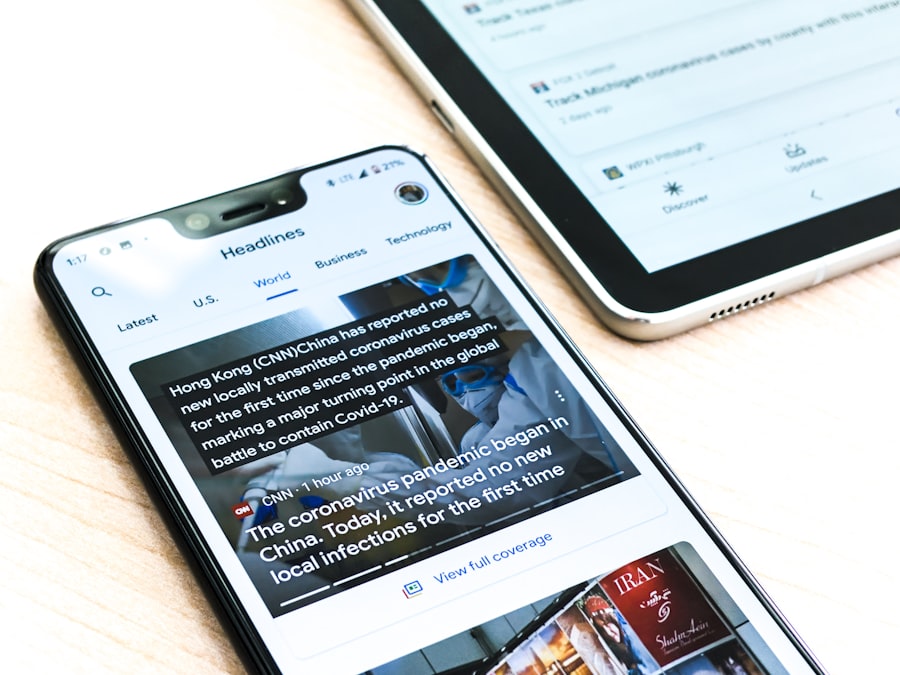
Headlines serve as the gateway to our content, acting as the first impression that readers encounter. They are not merely a collection of words; rather, they encapsulate the essence of our message and entice potential readers to delve deeper. In a world inundated with information, a compelling headline can be the difference between capturing attention and being overlooked. We must recognize that headlines are crucial in guiding our audience’s expectations and setting the tone for what follows. A well-crafted headline can spark curiosity, evoke emotions, and ultimately drive engagement.
Moreover, headlines play a pivotal role in search engine optimization (SEO). They are often the first element that search engines index, making them vital for our content’s visibility online. By incorporating relevant keywords into our headlines, we can enhance our chances of appearing in search results, thereby attracting a larger audience. This dual function of headlines—as both a marketing tool and an SEO asset—underscores their significance in our content strategy. As we craft our headlines, we should keep in mind that they are not just a formality; they are a strategic element that can significantly influence our content’s reach and impact.
Key Takeaways
- Headlines are crucial for capturing attention and driving engagement.
- Selecting appropriate words and tone ensures the headline resonates with the target audience.
- Including numbers and statistics can increase credibility and interest.
- Creating urgency motivates readers to act quickly.
- Testing headlines and avoiding clickbait maintain trust and improve effectiveness.
Choosing the right words and tone
The choice of words in our headlines can dramatically affect how our message is perceived. We must be mindful of the language we use, as it can convey authority, friendliness, urgency, or even playfulness. Selecting the right words involves understanding our target audience and aligning our tone with their preferences. For instance, if we are addressing a professional audience, we might opt for a more formal tone, while a casual blog aimed at young adults may benefit from a lighthearted approach. By tailoring our language to resonate with our readers, we can create a stronger connection and increase the likelihood of engagement.
In addition to word choice, the tone of our headlines can set the emotional backdrop for our content. A headline that exudes enthusiasm can inspire excitement, while one that conveys seriousness may instill a sense of urgency or importance. We should experiment with different tones to see which resonates best with our audience. By striking the right balance between creativity and clarity, we can craft headlines that not only attract attention but also accurately reflect the content that follows. Ultimately, the words and tone we choose will shape our readers’ perceptions and influence their decision to engage with our material.
Using numbers and statistics

Incorporating numbers and statistics into our headlines can significantly enhance their appeal. Quantifiable data provides concrete evidence that can pique interest and lend credibility to our claims. For example, headlines that include specific figures—such as “5 Tips for Effective Time Management” or “Increase Your Productivity by 30% in Just One Week”—tend to attract more clicks than vague statements. Numbers create a sense of structure and promise tangible takeaways, making it easier for readers to grasp what they can expect from our content.
Furthermore, statistics can evoke curiosity and encourage readers to explore further. When we present compelling data in our headlines, we invite our audience to engage with the information behind those numbers. For instance, a headline like “90% of People Fail at This Common Habit—Are You One of Them?” not only raises questions but also challenges readers to reflect on their own experiences. By leveraging numbers and statistics effectively, we can create headlines that not only capture attention but also provide valuable insights that resonate with our audience.
Creating a sense of urgency
Creating a sense of urgency in our headlines can be an effective strategy for driving immediate action from our readers. When we convey that time is limited or that an opportunity is fleeting, we encourage our audience to act quickly rather than procrastinate. Phrases like “Limited Time Offer,” “Act Now,” or “Don’t Miss Out” can instill a fear of missing out (FOMO) that compels readers to engage with our content without delay. This urgency can be particularly effective in promotional contexts or when discussing time-sensitive topics.
However, it is essential to strike a balance when creating urgency. We should ensure that the urgency we convey is genuine and not exaggerated. Misleading readers with false deadlines or inflated claims can lead to disappointment and erode trust in our brand. Instead, we should focus on highlighting real opportunities or timely information that warrants immediate attention. By fostering a sense of urgency while maintaining authenticity, we can motivate our audience to take action while building a lasting relationship based on trust.
Incorporating emotional appeal
| Metric | Description | Typical Range | Importance |
|---|---|---|---|
| Click-Through Rate (CTR) | Percentage of users who click on a headline after seeing it | 2% – 10% | High – Indicates headline effectiveness in attracting attention |
| Headline Length | Number of words or characters in the headline | 6 – 12 words (40 – 70 characters) | Medium – Optimal length balances clarity and engagement |
| Emotional Impact Score | Measure of emotional appeal based on word choice | 1 – 10 (higher is better) | High – Emotional headlines tend to attract more interest |
| Use of Power Words | Number of persuasive or impactful words used | 1 – 3 per headline | Medium – Enhances headline attractiveness |
| Uniqueness Score | How original or distinctive the headline is | 1 – 10 (higher is better) | High – Unique headlines stand out and retain interest |
| Readability Score (Flesch-Kincaid) | Ease of reading the headline | 60 – 80 (higher is easier) | Medium – Clear headlines retain reader interest |
| Retention Rate | Percentage of readers who continue reading after the headline | 30% – 70% | High – Measures headline’s ability to retain interest |
Emotional appeal is a powerful tool in crafting compelling headlines. When we tap into the emotions of our audience—whether it be joy, fear, anger, or nostalgia—we create a connection that transcends mere information delivery. Headlines that evoke strong feelings are more likely to resonate with readers and prompt them to engage with our content. For instance, a headline like “Discover the Heartwarming Stories of Everyday Heroes” invites readers to connect emotionally with the subject matter, encouraging them to explore further.
Additionally, we should consider the emotional journey we want to take our readers on through our content. By aligning our headlines with the emotional tone of the piece, we can create a cohesive experience that captivates our audience from the outset. Whether we aim to inspire, inform, or entertain, incorporating emotional appeal into our headlines allows us to forge deeper connections with our readers and enhance their overall experience.
A/B testing and analyzing performance
To refine our headline strategies effectively, A/B testing is an invaluable practice. By creating two variations of a headline and measuring their performance against each other, we can gain insights into what resonates best with our audience. This data-driven approach allows us to make informed decisions about future headlines based on real-world results rather than assumptions. We should consider factors such as click-through rates, engagement levels, and social shares when analyzing performance.
Through A/B testing, we can experiment with different elements of our headlines—such as word choice, tone, length, and emotional appeal—to identify what drives the most engagement. This iterative process enables us to continuously improve our headline crafting skills and adapt to changing audience preferences over time. By embracing A/B testing as part of our content strategy, we position ourselves for success by ensuring that our headlines consistently capture attention and drive meaningful interactions.
Avoiding clickbait and false promises
While it may be tempting to resort to clickbait tactics—headlines designed solely to attract clicks without delivering on their promises—we must resist this approach. Clickbait often leads to disappointment and frustration among readers when they discover that the content does not align with their expectations. This practice can damage our credibility and erode trust in our brand over time. Instead of relying on sensationalized headlines, we should focus on crafting authentic and informative titles that accurately reflect the content we provide.
To avoid clickbait, we should prioritize transparency in our headlines. We must ensure that they convey the true essence of what readers will find within the article or post. By setting realistic expectations and delivering valuable content that meets those expectations, we build trust with our audience and foster long-term relationships. Ultimately, authenticity should be at the forefront of our headline strategy as we strive to create meaningful connections with our readers.
Keeping headlines concise and clear
Conciseness is key when it comes to crafting effective headlines. In an age where attention spans are shorter than ever, we must communicate our message quickly and clearly. A headline that is too long or convoluted risks losing its impact and may fail to capture attention altogether. We should aim for brevity while ensuring that essential information is conveyed effectively. Striking this balance allows us to create headlines that are both engaging and easy to understand.
Additionally, clarity is paramount in headline creation. Readers should be able to grasp the main idea at a glance without confusion or ambiguity. We should avoid jargon or overly complex language that may alienate potential readers. Instead, using straightforward language helps us connect with a broader audience while ensuring that our message is accessible to all. By keeping our headlines concise and clear, we enhance their effectiveness and increase the likelihood of attracting engagement from diverse readerships.
In conclusion, crafting compelling headlines is an art that requires careful consideration of various elements—from word choice and tone to emotional appeal and urgency. By understanding the importance of headlines in capturing attention and driving engagement, we can develop strategies that resonate with our audience while maintaining authenticity and clarity. Through practices like A/B testing and avoiding clickbait tactics, we position ourselves for success in an increasingly competitive digital landscape. Ultimately, by honing our headline crafting skills, we can create meaningful connections with readers and elevate the impact of our content.