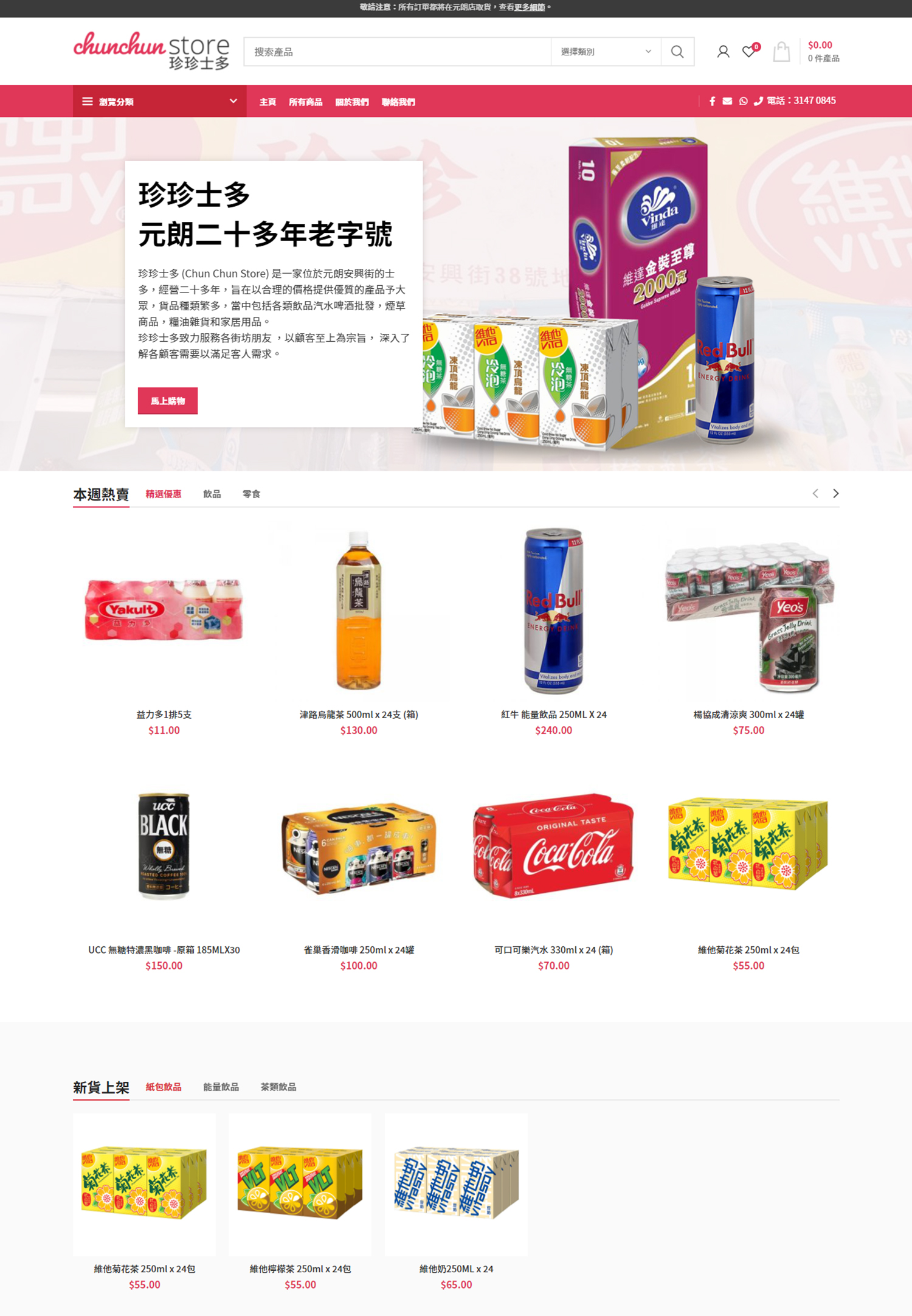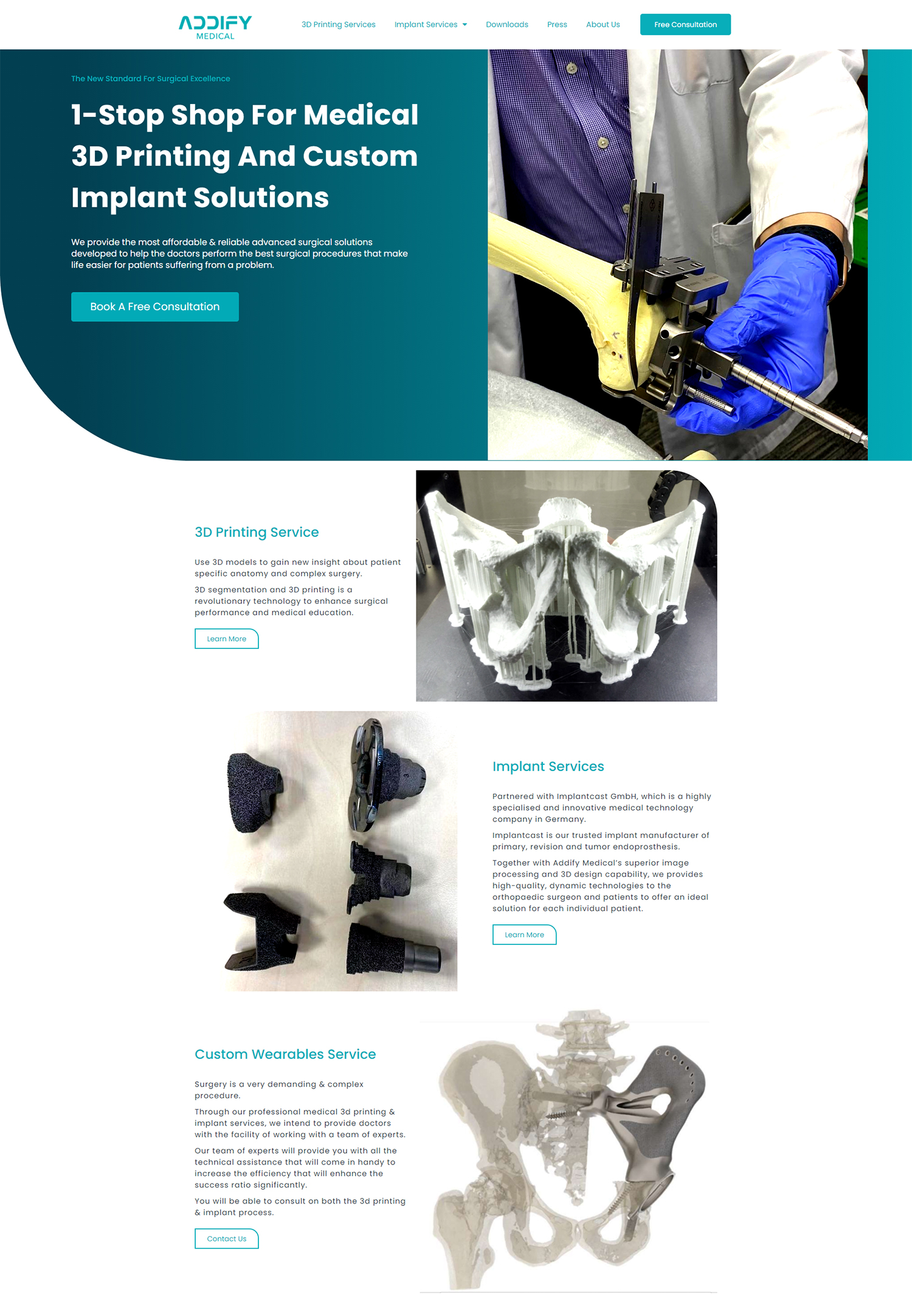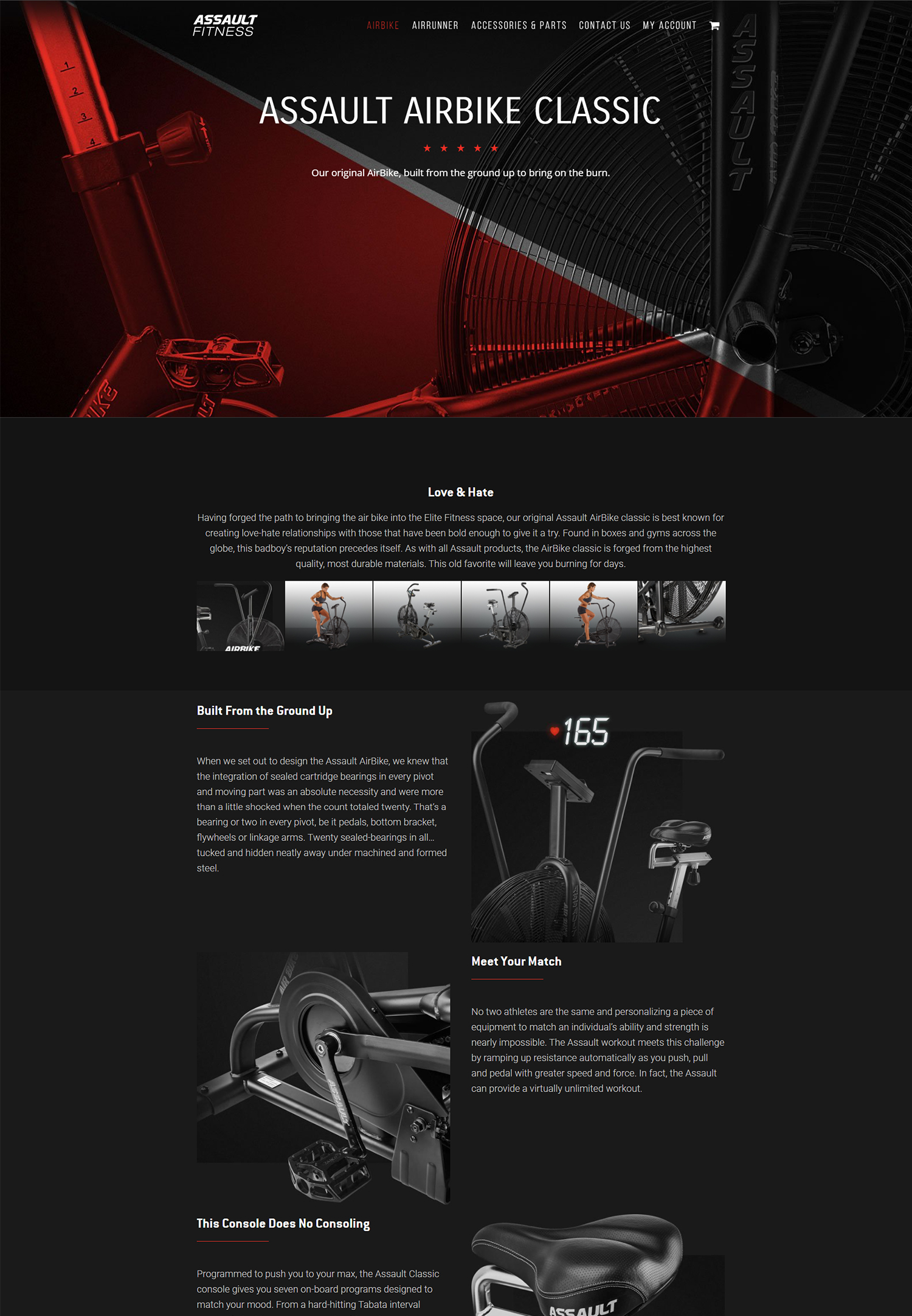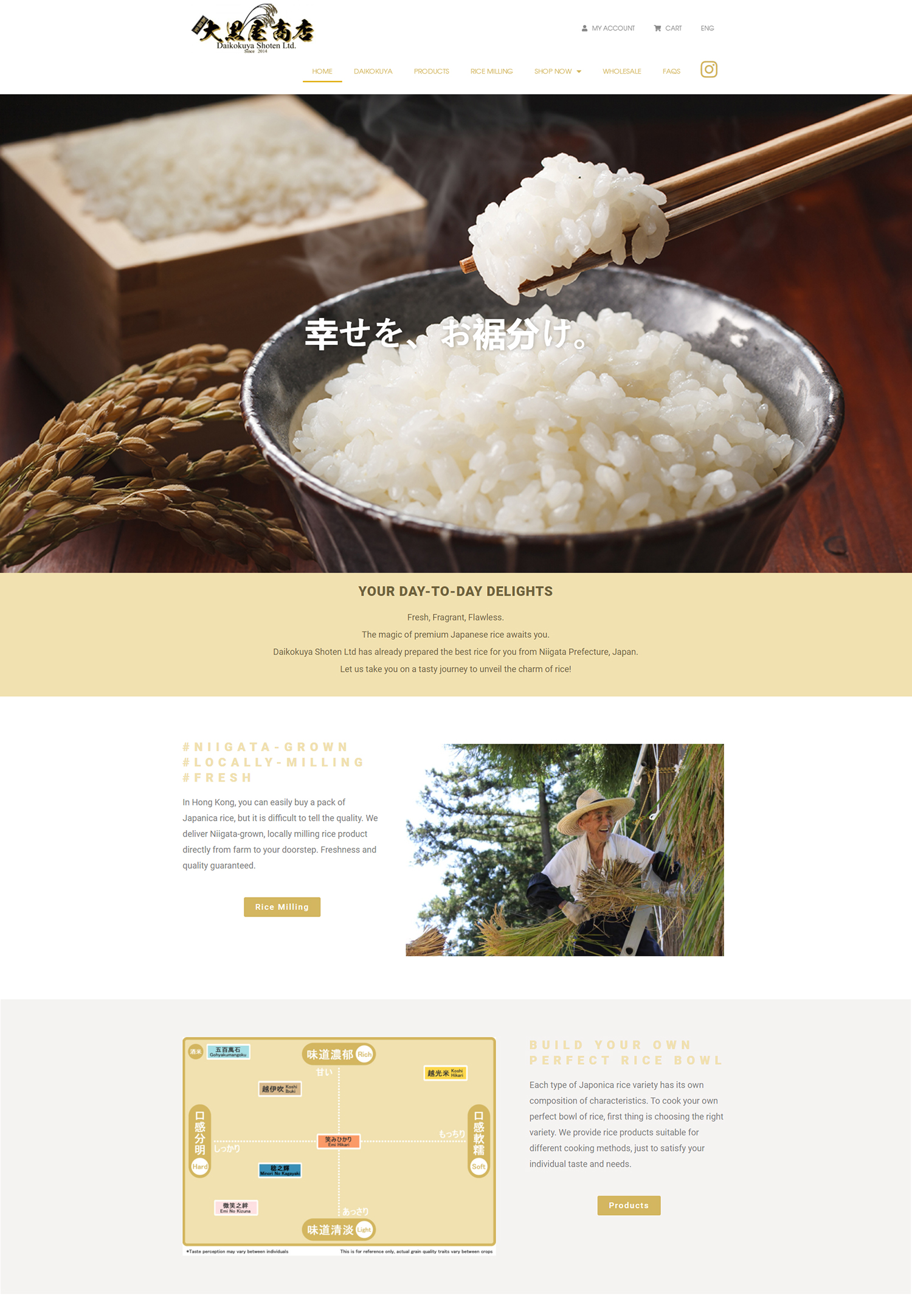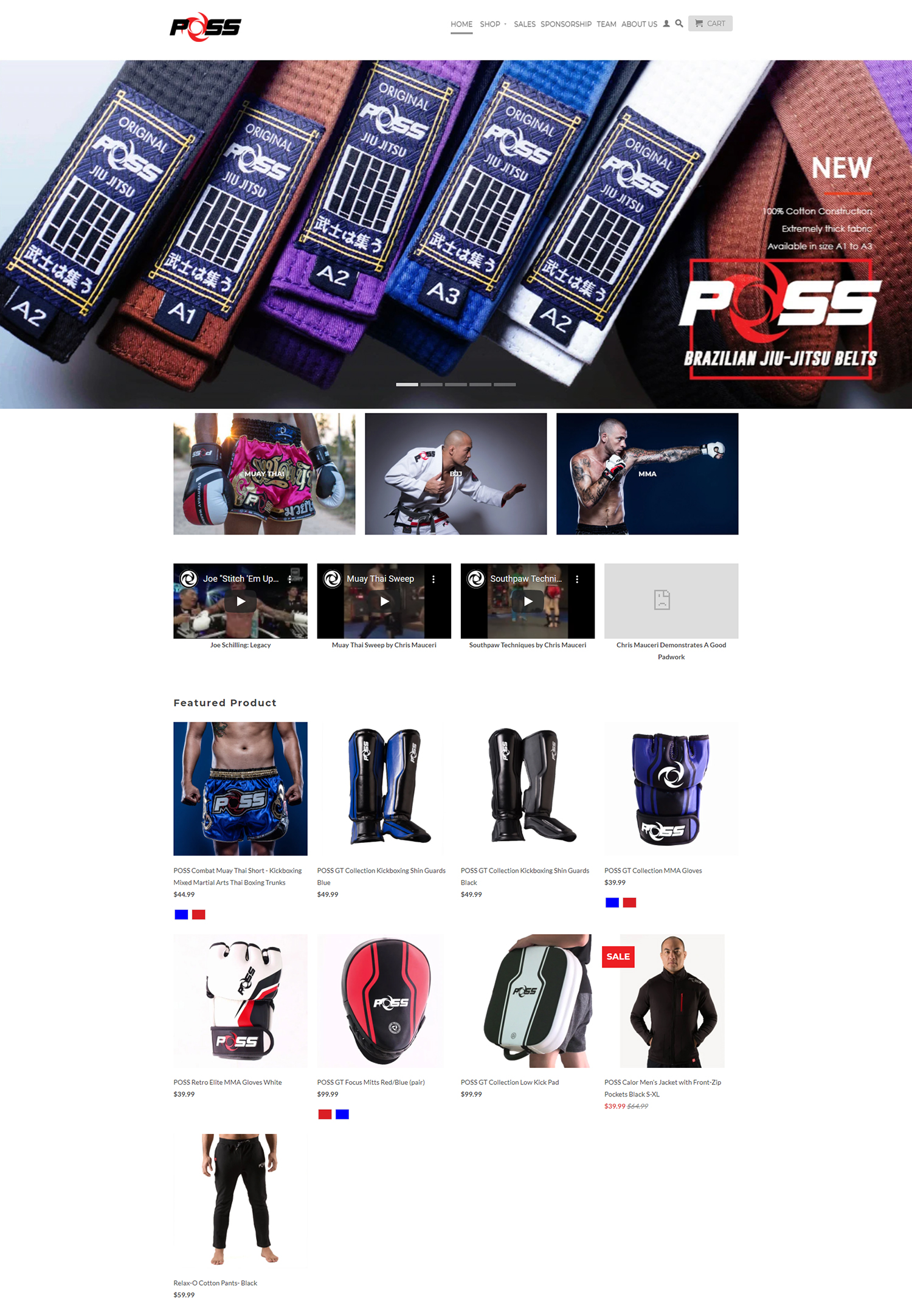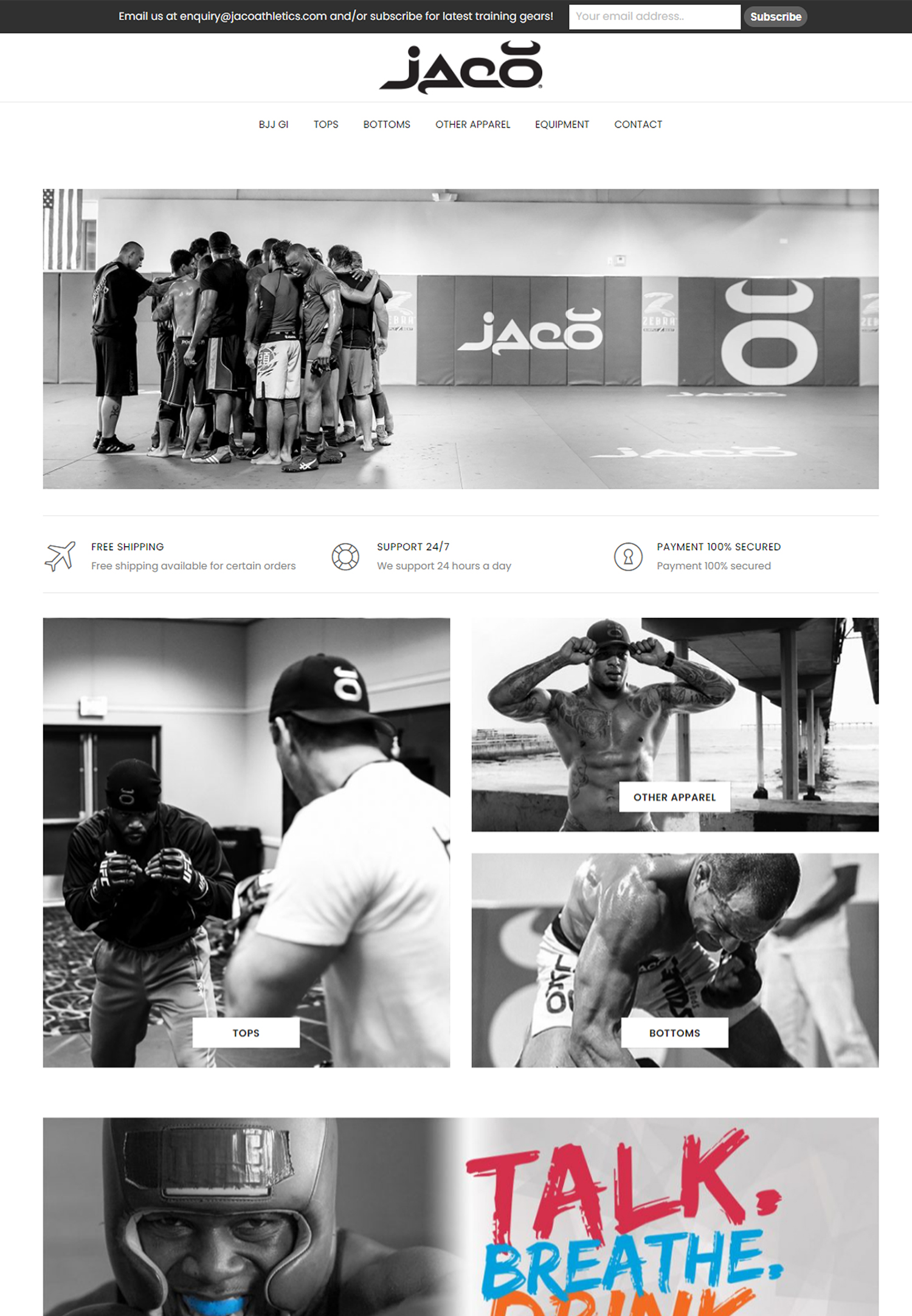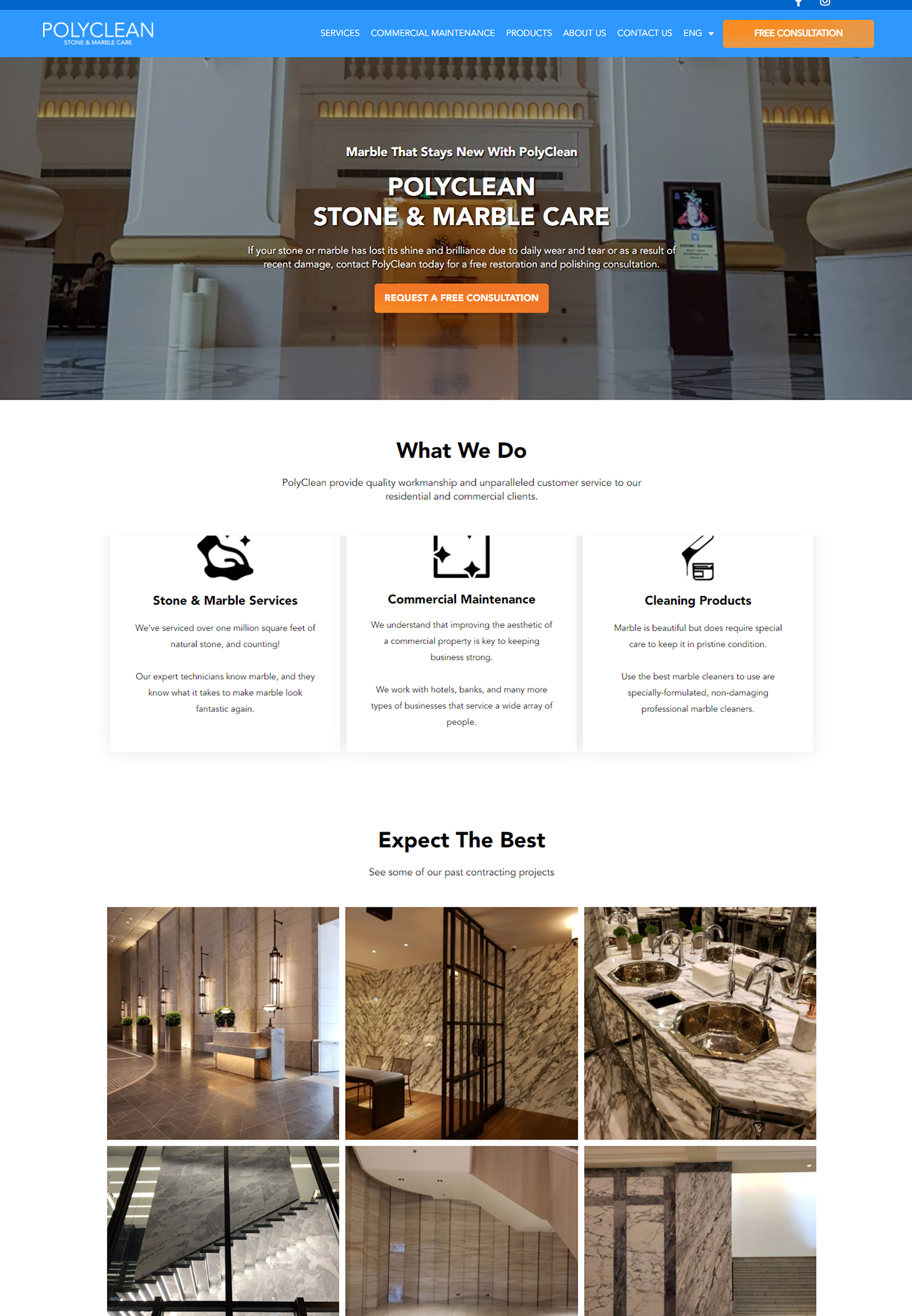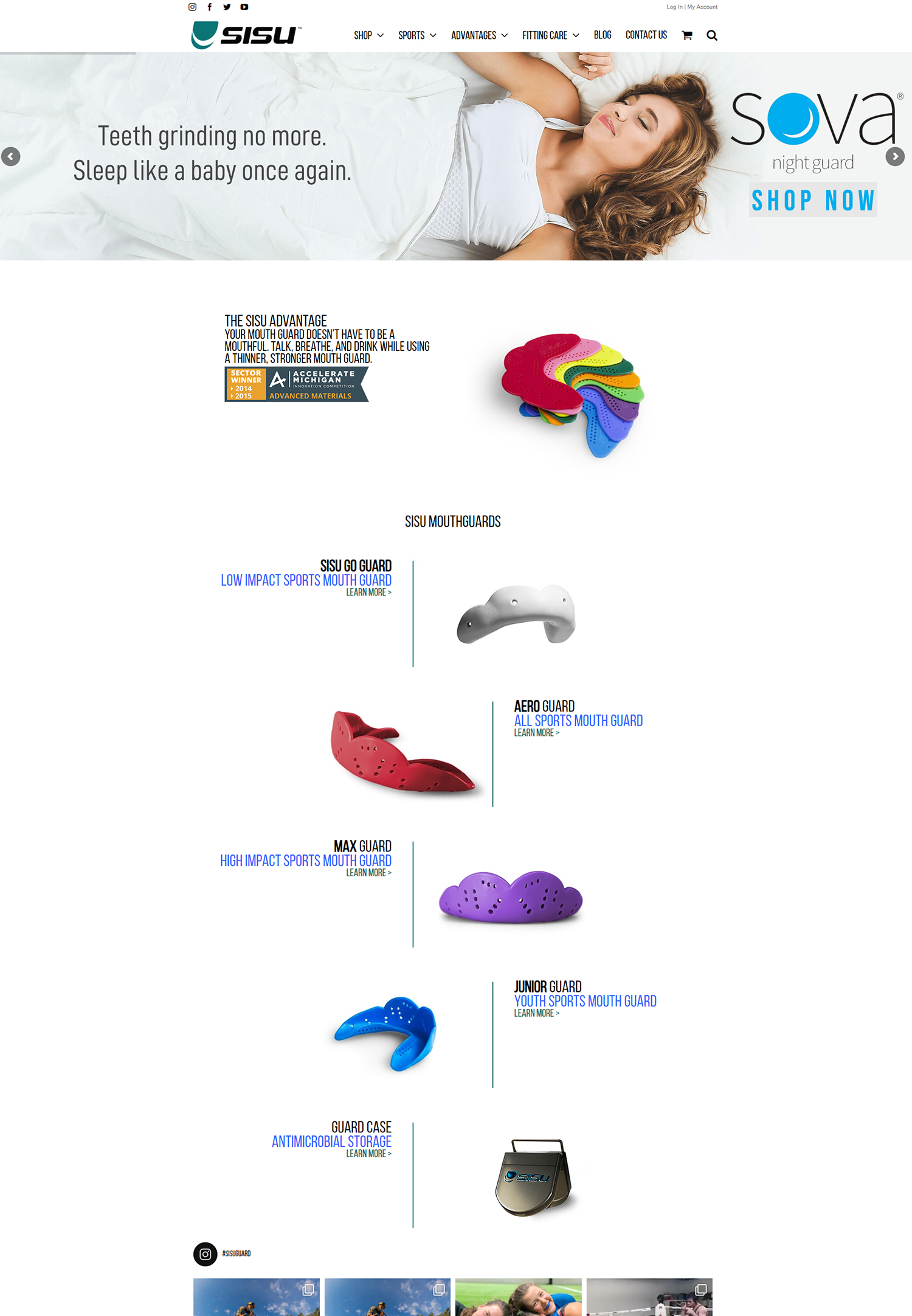


A/B testing, often referred to as split testing, is a powerful method that allows us to compare two versions of a webpage or app against each other to determine which one performs better. By presenting two variations—Version A and Version B—to different segments of our audience, we can gather data on user behavior and preferences. This approach is particularly valuable in digital marketing, where small changes can lead to significant improvements in conversion rates and user engagement. The essence of A/B testing lies in its ability to provide empirical evidence that guides our decision-making processes, rather than relying solely on intuition or guesswork.
As we embark on the journey of A/B testing, it is crucial for us to establish clear objectives. What are we hoping to achieve? Whether it’s increasing click-through rates, boosting sales, or enhancing user satisfaction, having a defined goal will help us design our tests effectively. Additionally, we must ensure that our sample size is adequate to yield statistically significant results. This means that we need to consider factors such as the duration of the test and the number of users involved. By carefully planning our A/B tests, we can create a robust framework that allows us to draw meaningful conclusions from the data we collect.
Key Takeaways
- A/B testing is a method of comparing two versions of a webpage or app to determine which one performs better in terms of user engagement or conversion rates.
- Analyzing A/B test results involves using statistical methods to determine if the differences in performance are significant and not due to chance.
- Implementing changes based on A/B test results requires careful consideration of the potential impact on user experience and the overall business goals.
- Personalizing the user experience involves using data and insights from A/B testing to tailor content and features to individual users or user segments.
- Testing different call-to-actions can help determine which prompts or buttons are most effective in driving user actions such as sign-ups or purchases.
- Optimizing product descriptions and images based on A/B test results can lead to improved user engagement and conversion rates.
- Improving the checkout process based on A/B test results can help reduce cart abandonment and increase overall sales.
- Monitoring and iterating based on results involves continuously testing and refining different elements of the user experience to achieve ongoing improvements.
Analyzing A/B Test Results
Once we have conducted our A/B tests, the next step is to analyze the results meticulously. This phase is critical because it transforms raw data into actionable insights. We begin by examining key performance indicators (KPIs) that align with our initial objectives. For instance, if our goal was to increase conversion rates, we would focus on metrics such as the number of completed purchases or sign-ups for a newsletter. By comparing these metrics between Version A and Version B, we can identify which version resonates more with our audience.
Moreover, it is essential for us to consider not just the overall performance but also the nuances within the data. We should segment our audience based on various demographics or behaviors to see if certain groups respond differently to each version. For example, younger users might prefer a more vibrant design, while older users may favor a more straightforward layout. By diving deeper into the data, we can uncover trends and patterns that inform our future strategies and help us tailor our offerings more effectively.
Implementing Changes Based on A/B Test Results

After analyzing the results of our A/B tests, we find ourselves at a pivotal moment: deciding how to implement changes based on what we have learned. If one version clearly outperformed the other, it may seem straightforward to adopt that version as our new standard. However, we must also consider the context of our findings. Are there specific elements that contributed to the success of the winning version? Perhaps it was a particular color scheme, a different layout, or even the wording of a call-to-action. Understanding these elements allows us to replicate success in future tests.
In addition to adopting successful changes, we should also remain open to continuous improvement. A/B testing is not a one-time event; rather, it is an ongoing process that encourages us to keep experimenting and refining our approach. As we implement changes based on test results, we should also set new hypotheses for future tests. This iterative cycle of testing and learning ensures that we remain agile and responsive to our audience’s evolving preferences and behaviors.
Personalizing the User Experience
One of the most significant advantages of A/B testing is its potential to enhance personalization in the user experience. By understanding what resonates with different segments of our audience, we can tailor content and design elements to meet their specific needs and preferences. Personalization goes beyond simply addressing users by their names; it involves creating a unique experience that feels relevant and engaging for each individual.
To achieve this level of personalization, we can leverage insights gained from A/B testing to inform our content strategy. For instance, if we discover that users from a particular demographic respond positively to certain types of imagery or messaging, we can adjust our marketing materials accordingly. Additionally, we can use dynamic content that adapts based on user behavior or preferences, ensuring that each visitor receives a customized experience that encourages them to engage further with our brand.
Testing Different Call-to-Actions
| Metrics | Description |
|---|---|
| Conversion Rate | The percentage of visitors who take a desired action, such as making a purchase, on the e-commerce page. |
| Bounce Rate | The percentage of visitors who navigate away from the e-commerce page after viewing only one page. |
| Revenue per Visitor | The average amount of revenue generated by each visitor to the e-commerce page. |
| Click-Through Rate (CTR) | The percentage of visitors who click on a specific element, such as a button or link, on the e-commerce page. |
| Engagement Time | The average amount of time visitors spend on the e-commerce page. |
Call-to-actions (CTAs) are critical components of any digital marketing strategy, as they guide users toward taking desired actions. Through A/B testing, we can experiment with various CTAs to determine which ones drive the highest engagement and conversion rates. This process involves not only testing different phrases—such as “Buy Now” versus “Shop Now”—but also experimenting with button colors, sizes, and placements on the page.
As we test different CTAs, it is essential for us to consider the context in which they appear. For example, a CTA placed at the top of a webpage may perform differently than one located at the bottom or within the content itself. By analyzing user interactions with these CTAs, we can gain valuable insights into how users navigate our site and what prompts them to take action. Ultimately, refining our CTAs through A/B testing can lead to improved conversion rates and a more effective user journey.
Optimizing Product Descriptions and Images
In e-commerce, product descriptions and images play a vital role in influencing purchasing decisions. Through A/B testing, we can optimize these elements to enhance their effectiveness. For instance, we might test different styles of product descriptions—such as detailed versus concise—to see which format resonates more with potential buyers. Similarly, experimenting with various images—like lifestyle shots versus plain product images—can help us understand what captures users’ attention and drives conversions.
As we analyze the results of these tests, we should pay close attention to how different descriptions and images impact user engagement metrics such as time spent on page and bounce rates. If one version leads to longer time spent on the page or lower bounce rates, it may indicate that users find that content more appealing or informative. By continuously refining our product descriptions and images based on A/B test results, we can create a more compelling shopping experience that ultimately drives sales.
Improving Checkout Process
The checkout process is often a critical point in the customer journey where many potential sales are lost due to friction or confusion. A/B testing provides us with an opportunity to identify pain points within this process and implement improvements that enhance user experience and increase conversion rates. We might test variations in checkout layouts, such as single-page versus multi-page checkouts, or experiment with different payment options to see which configurations lead to higher completion rates.
In addition to layout changes, we can also test messaging throughout the checkout process. For example, reassuring users about security measures or providing clear shipping information can alleviate concerns that may cause them to abandon their carts. By analyzing user behavior during checkout through A/B testing, we can pinpoint specific areas for improvement and create a smoother experience that encourages users to complete their purchases.
Monitoring and Iterating Based on Results
The final step in our A/B testing journey involves monitoring and iterating based on the results we gather over time. Once we implement changes based on successful tests, it is crucial for us to continue tracking performance metrics to ensure that these changes have the desired impact in the long run. User preferences can shift over time due to various factors such as market trends or seasonal changes; therefore, ongoing monitoring allows us to stay ahead of these shifts.
Moreover, as we gather more data from subsequent tests, we should remain committed to an iterative approach. Each test provides us with new insights that can inform future experiments and strategies. By fostering a culture of continuous improvement within our organization, we can ensure that our digital marketing efforts remain effective and aligned with our audience’s needs. Ultimately, this commitment to monitoring and iterating will empower us to create exceptional user experiences that drive engagement and conversions over time.